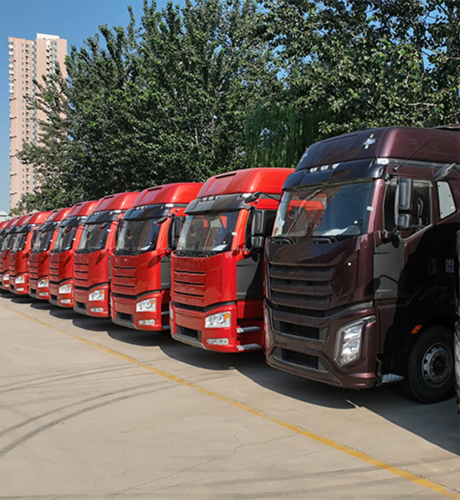
Finding a reliable heavy truck for sale is more than just a simple procurement process; it is a strategic investment in the backbone of global logistics and infrastructure. Whether you are expanding a construction fleet or optimizing long-haul freight operations, the right heavy-duty vehicle ensures operational continuity and maximizes payload efficiency. Understanding the nuances of engine torque, chassis durability, and load capacity is essential for any business aiming to reduce downtime and operational overhead.
The global demand for heavy-duty transport continues to surge as emerging economies invest heavily in urban development and international trade corridors. From the rugged terrains of mining sites to the high-speed arteries of intercontinental highways, the search for a high-performance heavy truck for sale often leads buyers to balance the trade-off between initial capital expenditure and long-term maintenance costs. Modern engineering has introduced smarter telemetry and hybrid powertrains, shifting the market toward more sustainable and intelligent transport solutions.
Navigating the vast array of options—ranging from dump trucks and tractor-trailers to specialized engineering vehicles—requires a deep dive into technical specifications and application-specific needs. By focusing on E-E-A-T principles (Experience, Expertise, Authoritativeness, and Trustworthiness), operators can identify vehicles that not only meet current regulatory standards but also offer the scalability needed for future growth. This comprehensive guide explores everything you need to know when browsing for a heavy truck for sale to ensure your investment delivers maximum value.
Global Market Dynamics of Heavy Trucks
The global landscape for a heavy truck for sale is currently shaped by a complex interplay of infrastructure growth in Asia-Pacific and stringent emission regulations in Europe and North America. According to industry data, the shift toward "Green Logistics" has pushed manufacturers to integrate Euro VI standards and beyond, making the selection process more focused on fuel efficiency and carbon footprints than ever before.
Furthermore, the rise of e-commerce has created an unprecedented demand for cargo trucks and trailers, leading to a volatile market where lead times for new vehicles can vary significantly. For many fleet managers, this has revived interest in high-quality used heavy trucks, provided they come with certified maintenance histories and structural guarantees.
Core Components of Heavy Duty Vehicles
When searching for a heavy truck for sale, the first area of focus must be the powertrain. The engine is the heart of the vehicle; for heavy-duty applications, high-displacement diesel engines remain the gold standard due to their immense torque and ability to handle steep gradients under full load. Modern turbocharged engines now offer a better balance of power and fuel economy, reducing the overall cost per ton-mile.
The chassis and suspension system form the skeleton that protects the cargo and the driver. High-strength alloy steels are used in the frame to prevent warping under extreme stress, while air suspension systems have largely replaced leaf springs in long-haul models to provide better stability and reduce wear and tear on the road. A robust chassis ensures that the vehicle maintains its structural integrity over a million-kilometer lifespan.
Finally, the transmission and axle configuration determine the truck's versatility. Whether it is a 4x2 for highway distribution or an 8x4 for heavy construction work, the choice of axle affects the Gross Vehicle Weight (GVW) and the legal load limits of different regions. Automated Manual Transmissions (AMTs) are becoming increasingly popular, as they reduce driver fatigue and optimize gear shifts for maximum fuel efficiency.
Evaluating Performance and Durability
Assessing a heavy truck for sale requires a semi-technical approach to durability. One must look beyond the glossy brochures and examine the "Duty Cycle" the vehicle was designed for. For instance, a truck designed for "Severe Service" (like mining or quarrying) will have reinforced bumpers, heavy-duty cooling systems, and specialized filtration to handle dusty environments.
The longevity of a heavy truck for sale is often tied to the quality of its engine components and the frequency of scheduled maintenance. High-grade alloys in the cylinder liners and forged crankshafts are indicators of a vehicle that can withstand prolonged high-load operations without catastrophic failure.
Furthermore, the integration of Telematics allows owners to monitor the "Health Score" of the truck in real-time. By analyzing data on brake wear, oil temperature, and tire pressure, operators can move from reactive repairs to predictive maintenance, significantly extending the useful life of their heavy-duty investment.
Cost Efficiency and ROI Analysis
Calculating the Return on Investment (ROI) for a heavy truck for sale involves more than comparing the sticker price. Total Cost of Ownership (TCO) is the critical metric, encompassing fuel consumption, insurance, operator wages, and depreciation. A more expensive truck with a 10% better fuel efficiency rating often pays for itself within the first two years of heavy operation.
Moreover, the resale value of the brand plays a pivotal role. Certain manufacturers maintain a higher percentage of their original value due to the widespread availability of spare parts and a reputation for reliability. This makes the initial purchase of a premium heavy truck for sale a safer financial bet in the long run.
Comparison of TCO Factors for Heavy Trucks
Real-World Applications and Use Cases
The application of a heavy truck for sale varies wildly depending on the industry. In the construction sector, dump trucks and concrete mixers are indispensable. These vehicles are engineered for "stop-and-go" cycles and high-torque launches on uneven soil, requiring reinforced chassis that can handle the twisting forces of off-road movement.
In contrast, the logistics industry prioritizes the "New Heavy Duty Truck" categories, specifically tractor units designed for aerodynamic efficiency. These trucks operate on long-haul corridors, where maintaining a constant cruising speed with minimal wind resistance is the key to profitability. For specialized needs, such as oil field services or emergency disaster relief, 4x4 or 6x6 heavy trucks provide the necessary mobility to reach remote areas where standard roads do not exist.
Sustainable Innovations in Trucking
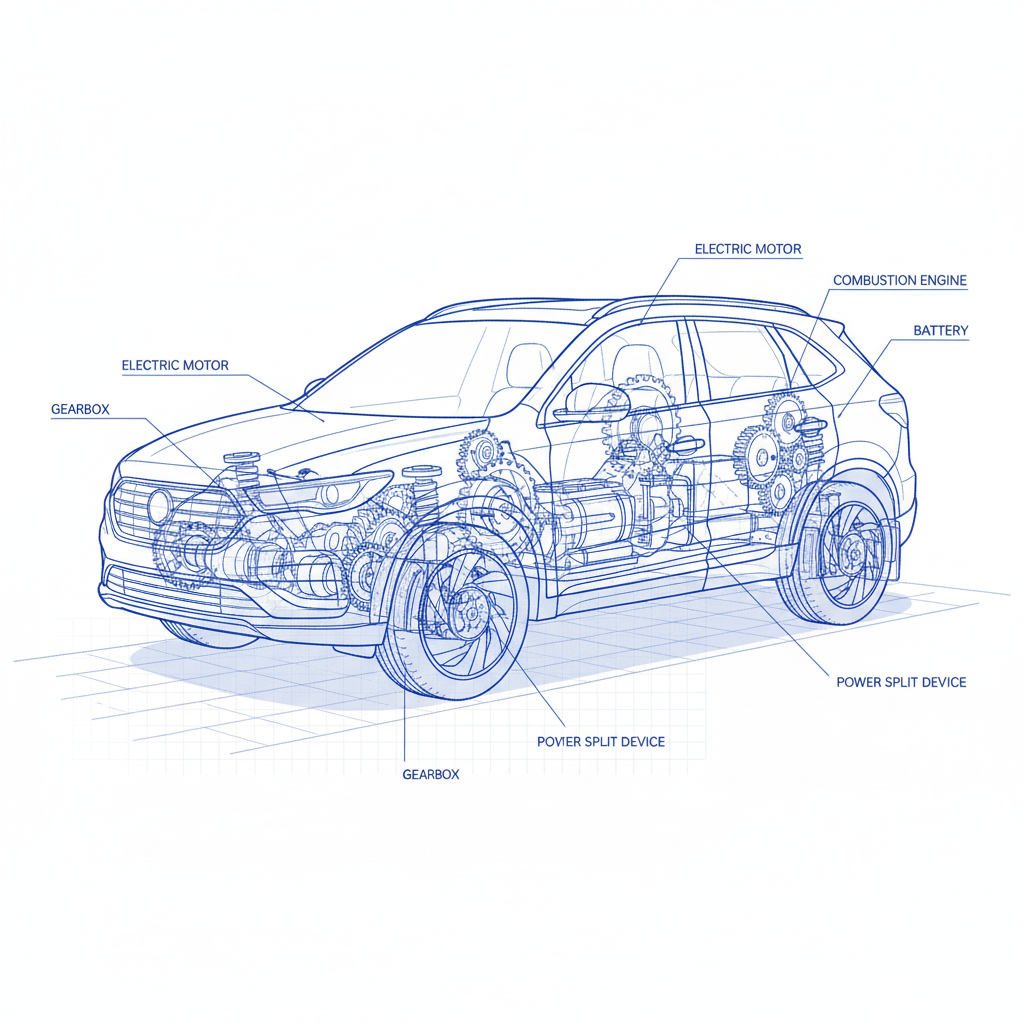
The search for a heavy truck for sale is increasingly intersecting with the transition to New Energy Vehicles. Electric heavy trucks are no longer a concept; they are being deployed in "closed-loop" systems such as ports and mining sites where charging infrastructure can be centralized. These vehicles offer zero tailpipe emissions and significantly lower noise pollution, which is critical for urban delivery hubs.
Hydrogen fuel cell technology is another frontier for the heavy-duty sector. Unlike battery-electric trucks, hydrogen-powered vehicles offer faster refueling times and a higher energy density, making them more suitable for long-distance haulage. As governments worldwide implement stricter carbon credits, the "green" premium on these vehicles is becoming an investment in regulatory compliance.
Furthermore, digital transformation through AI-driven routing and platooning is changing how we value a heavy truck for sale. Platooning, where trucks follow each other closely using automated links to reduce drag, can lower fuel consumption by up to 10%, adding a new layer of technological value to the modern fleet.
Strategic Procurement Guide
Procuring a heavy truck for sale requires a systematic checklist to avoid costly mistakes. First, define the primary load profile: will the truck carry high-density materials like stone or low-density bulk goods? This dictates the choice between a heavy-duty chassis and a lightweight, high-volume configuration.
Second, evaluate the after-sales ecosystem. A truck is only as good as the speed at which it can be repaired. Ensure that the manufacturer has a robust network of authorized service centers and a reliable supply chain for critical parts like injectors, turbochargers, and brake pads.
Finally, consider the financing and leasing options. Many businesses now opt for operational leases to keep their fleets modern and avoid the steep depreciation curve associated with heavy-duty machinery.
Comparative Analysis of Heavy Truck Procurement Options
| Truck Category |
Ideal Application |
Durability Score (1-10) |
ROI Period |
| New Heavy Duty Truck |
Long-haul Logistics |
9 |
3-5 Years |
| Used Heavy Duty Truck |
Short-term Projects |
6 |
1-2 Years |
| Dump Truck |
Mining & Construction |
10 |
4-6 Years |
| Special Purpose Vehicle |
Infrastructure Work |
8 |
5+ Years |
| New Energy Truck |
Urban Distribution |
7 |
3-4 Years |
| Tractor Unit |
Intermodal Freight |
9 |
3-5 Years |
FAQS
Prioritize the "Duty Cycle" match. Ensure the truck's engine torque and axle configuration align with your specific cargo weight and terrain. A highway truck used in a quarry will fail prematurely, while a construction truck will be inefficient on the highway. Always check the maintenance logs and the availability of local spare parts.
Yes, provided the vehicle has a certified inspection. Used trucks offer a much lower initial cost and slower depreciation. They are ideal for short-term contracts or businesses with limited upfront capital. However, ensure the engine has not exceeded its optimal life cycle and that the chassis is free of structural cracks.
New Energy trucks (Electric/Hydrogen) offer lower operational costs per mile and zero emissions, making them perfect for city zones. Diesel trucks still dominate in long-haul and heavy-off-road applications due to their energy density and refueling speed. The choice depends on your route length and access to charging infrastructure.
A well-maintained heavy truck can last 1 to 1.5 million kilometers. The lifespan is extended by adhering to strict preventative maintenance schedules, using high-quality lubricants, and avoiding consistent overloading beyond the manufacturer's Gross Vehicle Weight (GVW) limits.
Always request the Vehicle Identification Number (VIN) and run a history report. Verify the seller's credentials and, if possible, hire a third-party professional inspector to check the engine compression and chassis integrity. Avoid deposits without a verified contract or escrow service.
The most common issues include brake system wear, fuel injector clogging due to poor fuel quality, and suspension bushing degradation. Regularly checking the cooling system and oil quality is the most effective way to prevent major engine failures.
Conclusion
Selecting the right heavy truck for sale is a critical decision that balances immediate operational needs with long-term financial sustainability. By focusing on the synergy between engine performance, chassis durability, and total cost of ownership, businesses can build a fleet that is both resilient and efficient. From traditional diesel powerhouses to the vanguard of new energy vehicles, the key lies in matching the vehicle's technical specifications to the real-world demands of the environment.
As the industry pivots toward automation and green energy, the value of a heavy truck will increasingly be measured by its data integration and environmental impact. We recommend that operators stay informed about evolving emission standards and invest in vehicles that offer scalability. For those seeking high-quality, reliable transport solutions, visiting a trusted provider is the first step toward operational excellence. Visit our website: www.chenyangtruck.com