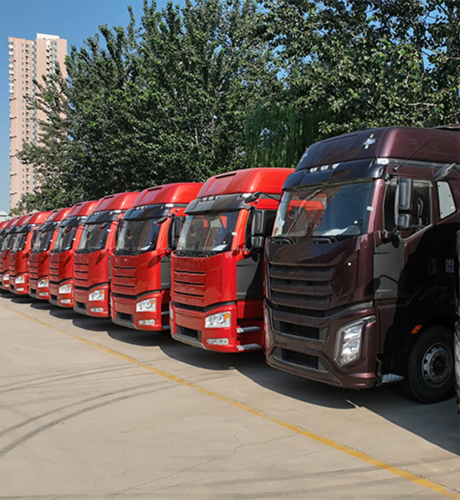
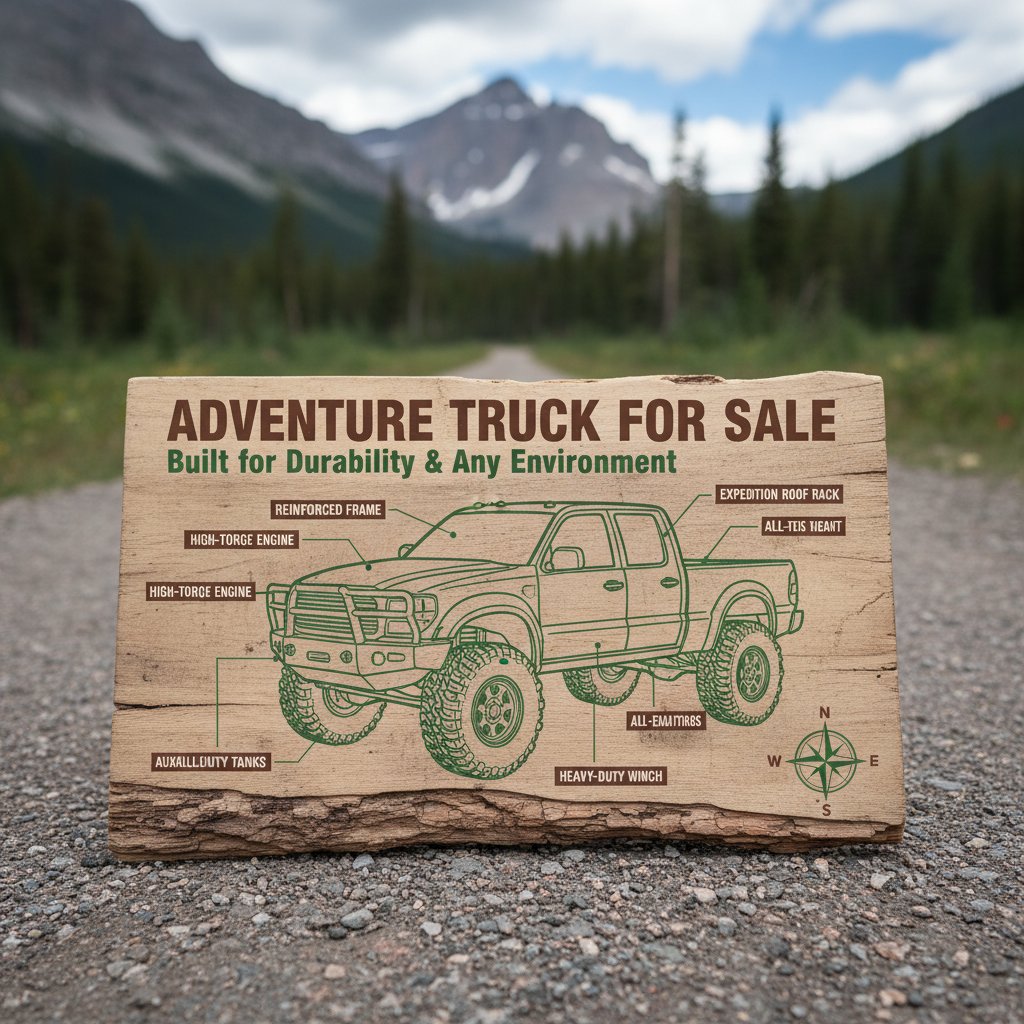
Investing in a heavy spec truck for sale is more than just a vehicle purchase; it is a strategic acquisition of a high-performance industrial tool designed to withstand the most grueling operational environments. Whether you are managing a large-scale mining operation or a specialized construction fleet, the specifications of your truck determine your daily productivity, fuel efficiency, and long-term maintenance costs.
Globally, the demand for high-specification heavy-duty vehicles has surged as infrastructure projects become more complex and the need for higher payload capacities grows. From the rugged terrains of Southeast Asia to the sprawling logistics hubs of North America, the right heavy spec truck ensures that critical materials are moved safely and efficiently, reducing the risk of costly downtime in time-sensitive projects.
Understanding the nuances of "heavy spec" involves analyzing the synergy between engine torque, chassis reinforcement, and specialized transmission systems. By focusing on these critical parameters, fleet managers can optimize their total cost of ownership while ensuring their operators have the reliability and safety features necessary to handle extreme loads under adverse conditions.
Global Market Context for Heavy Spec Trucks
The global logistics and construction landscape is currently undergoing a massive shift toward higher capacity and increased durability. With the rise of "mega-projects" across the Middle East and Asia, the requirement for a heavy spec truck for sale has moved from a luxury to a necessity. Data from international trade monitors suggests that the adoption of reinforced chassis and high-torque powerplants has increased by nearly 15% in emerging markets to combat the wear and tear of underdeveloped road networks.
This trend is driven by the urgent need to reduce the frequency of vehicle replacement. In the past, standard trucks were often pushed beyond their limits, leading to premature structural failure. By investing in heavy-spec configurations, companies are now able to extend the operational lifecycle of their fleet, ensuring that the vehicles can handle the actual environmental stresses of mining and heavy hauling without compromising safety.
Defining the Heavy Spec Standard
When searching for a heavy spec truck for sale, it is crucial to understand that "heavy spec" is not a single feature, but a combination of upgraded components. At its core, a heavy-spec vehicle is engineered to operate at the upper limit of its Gross Vehicle Weight Rating (GVWR) consistently, without suffering from the accelerated fatigue seen in standard commercial vehicles. This includes everything from upgraded axle ratios to reinforced frame rails.
From a technical perspective, this means moving away from lightweight alloys in areas where sheer strength is required and implementing heavy-duty suspension systems—such as reinforced leaf springs or heavy-duty air bags—that can maintain stability under maximum load. It is the difference between a truck that can occasionally carry a heavy load and one that is built to live in that state.
Ultimately, these vehicles bridge the gap between standard commercial transport and specialized engineering machinery. They provide the versatility needed for industries like agriculture and construction, where the truck must act as both a highway transporter and an off-road workhorse, ensuring that productivity remains constant regardless of the terrain.
Core Components of High-Spec Vehicles
The first critical element of any heavy spec truck for sale is the powertrain. High-displacement engines paired with high-torque transmissions are essential for overcoming static friction when starting a fully loaded vehicle on an incline. Without these specific upgrades, engines are prone to overheating and premature wear.
Next is the chassis and axle configuration. A true heavy-spec build utilizes reinforced cross-members and high-tensile steel for the frame to prevent bowing under extreme stress. Moreover, the integration of heavy-duty planetary axles ensures that the power from the engine is delivered to the wheels efficiently while distributing the weight across a larger surface area.
Finally, the braking and cooling systems must be oversized. Heavy loads generate immense heat during descent; therefore, heavy-spec trucks typically feature advanced retarders and larger radiator cores. This ensures that the vehicle remains controllable and the engine remains within optimal temperature ranges during the most demanding cycles.
Performance Metrics and Efficiency
Evaluating a heavy spec truck for sale requires looking beyond the sticker price and focusing on performance metrics such as torque-to-weight ratios and fuel consumption per ton-mile. High-spec trucks are designed to optimize the "sweet spot" of the engine's power band, allowing for more efficient hauling of oversized cargo.
While a standard truck might struggle and burn excessive fuel when overloaded, a heavy-spec vehicle operates within its designed parameters, resulting in lower operational costs over time. The following data illustrates how different spec levels perform across key industrial KPIs.
Performance Comparison of Heavy Spec Configurations
Global Applications and Industry Use Cases
The application of a heavy spec truck for sale varies wildly across industries. In the mining sector, these vehicles are often modified with reinforced beds and specialized tires to move ore from pits to processing plants. The ability to handle high-impact loading without chassis deformation is the primary requirement in this context.
In the agricultural sector, heavy-spec trucks are indispensable for transporting massive harvests and heavy machinery across unpaved fields. Similarly, in disaster relief operations, these trucks provide the necessary power to move water tanks, mobile hospitals, and construction materials into remote zones where infrastructure has collapsed, proving that high specifications equal higher reliability in crises.
Long-Term Value and ROI Analysis
From a financial perspective, the initial cost of a heavy spec truck for sale is higher than that of a standard model. However, the Return on Investment (ROI) is realized through a dramatic reduction in unplanned maintenance. When a vehicle is spec'd correctly for its load, the "wear-out" phase of the bathtub curve is pushed significantly further back.
Furthermore, the resale value of heavy-spec vehicles remains remarkably stable. Second-hand buyers in the industrial sector actively seek out trucks with reinforced frames and high-capacity engines because they know these vehicles have the structural integrity to continue working for another decade.
Beyond the numbers, there is the element of safety. A truck that is over-spec'd for its load is inherently safer; it brakes more effectively, handles better under load, and is less likely to suffer a catastrophic mechanical failure on a highway, protecting both the driver and the public.
Future Innovations in Heavy-Duty Transport
The future of the heavy spec truck for sale market is being shaped by the transition to green energy and digitalization. We are seeing the emergence of electric and hydrogen-powered heavy-duty trucks that offer instant torque, which is ideal for heavy-load starting. These new powertrains are being integrated into the same reinforced chassis that define the "heavy spec" category.
Digital transformation is also playing a role through Telematics and Predictive Maintenance. Modern heavy-spec trucks now come equipped with sensors that monitor frame stress and engine heat in real-time, alerting fleet managers before a component fails. This shift from reactive to proactive maintenance is further enhancing the longevity of these vehicles.
As automation advances, we expect to see autonomous heavy-haulage systems designed specifically for mining and quarrying. These will utilize the same high-spec physical builds but will be operated by AI to optimize fuel consumption and route efficiency, marking a new era of industrial logistics.
Core Analysis of Heavy Spec Truck Configuration Tiers
| Spec Tier |
Chassis Reinforcement |
Engine Torque Capacity |
Ideal Application |
| Standard Industrial |
Single Frame Rail |
Moderate |
City Logistics |
| Heavy Spec A |
Double Reinforced Rail |
High |
Regional Hauling |
| Heavy Spec B |
Custom Braced Chassis |
Very High |
Construction Sites |
| Mining Grade |
Ultra-High Tensile Steel |
Extreme |
Open Pit Mining |
| Off-Road Special |
Variable Geometry Frame |
High/Variable |
Remote Exploration |
| Custom Heavy |
Full Bespoke Reinforcement |
Tailored |
Special Purpose Projects |
FAQS
A heavy spec truck is defined by reinforced structural components—such as double-frame rails and heavy-duty axles—paired with a powertrain capable of higher torque outputs. While standard trucks are designed for efficiency on paved roads with moderate loads, heavy spec vehicles are engineered for maximum payload durability and off-road resilience, reducing structural fatigue over time.
Buying a factory-built heavy spec truck is almost always more cost-effective and safer. Factory reinforcements are integrated into the design process, ensuring the weight distribution and stress points are mathematically balanced. Aftermarket modifications often lead to "weak points" where the new parts meet the old frame, which can lead to cracking and voided warranties.
In the short term, a heavy spec truck may have slightly higher fuel consumption due to increased vehicle weight. However, when hauling maximum loads, they are actually more efficient because the engine and transmission operate within their designed power bands, avoiding the "over-working" state that causes standard trucks to burn fuel inefficiently.
The primary beneficiaries are mining, heavy construction, large-scale agriculture, and specialized oil and gas transport. These industries operate in environments where road conditions are poor and loads are consistently at or near the maximum legal limit, making the durability of a heavy spec vehicle indispensable for operational continuity.
Check the VIN and the original build sheet from the manufacturer to verify the chassis code and axle ratings. Visually inspect the frame for double-rail construction and check the cooling system for oversized radiators. A professional inspection focusing on stress cracks in the chassis will also reveal if the truck was truly built for heavy spec or just modified superficially.
Yes, the physical requirements for heavy hauling—strong frames and robust axles—remain the same regardless of the power source. Many manufacturers are already pairing electric motors, which provide superior low-end torque, with heavy-spec chassis to create the next generation of sustainable, high-capacity industrial vehicles.
Conclusion
Choosing the right heavy spec truck for sale is a critical decision that impacts every facet of an industrial operation, from immediate hauling capacity to long-term financial sustainability. By prioritizing reinforced chassis, high-torque powertrains, and oversized cooling systems, fleet owners can ensure their vehicles are not just transporting cargo, but are actively contributing to the efficiency and safety of their entire supply chain.
Looking forward, the integration of sustainable energy and smart telematics will only enhance the value of heavy-spec vehicles. For those operating in the most demanding environments, investing in a high-specification build today is the only way to guarantee reliability in an increasingly complex global infrastructure landscape. Visit our website for more information: www.chenyangtruck.com