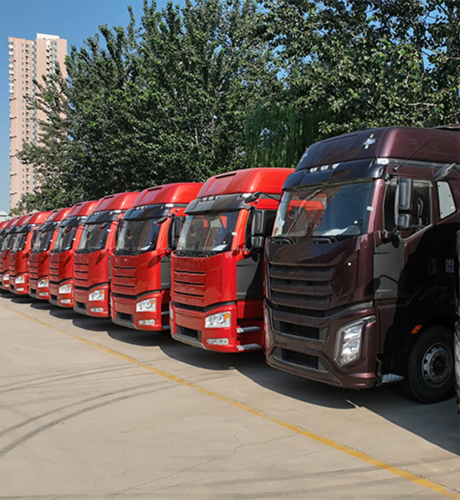
For fleet operators and commercial vehicle maintenance teams, the integrity of the powertrain cooling system is the difference between a profitable haul and a costly breakdown. A failure in the connection between the transmission and the heat exchanger can lead to catastrophic transmission failure, rendering heavy-duty assets useless. We understand that sourcing reliable transmission cooler lines to radiator is not just about replacing a part; it is about ensuring the longevity of critical assets like SHACMAN, SINOTRUK, and FAW trucks in demanding environments.
With over 26 years of development experience and an annual sales volume exceeding 20,000 units, Chenyang Group recognizes that component quality directly impacts operational uptime. Our extensive background in global vehicle exporting to 34 countries allows us to identify and supply cooling components that withstand diverse climatic challenges, from the heat of Dubai to the cold of Russia.
Navigating the complex aftermarket for commercial vehicle parts requires a partner who understands the entire ecosystem. By leveraging a supply chain that supports a 5 billion RMB annual turnover, we ensure that every cooling line meets rigorous durability standards. Whether you are maintaining construction machinery like the XGMA XG956N Wheel Loader or servicing a fleet of FOTON cargo trucks, selecting the correct cooling lines ensures your hydraulic transmission oil and engine coolant—products we also specialize in—flow efficiently, protecting your investment.
The technical specification of cooling lines is paramount when dealing with heavy commercial vehicles. These components must manage high-pressure hydraulic fluid while enduring the thermal stress of the engine bay. Our approach to transmission cooler lines to radiator focuses on material compatibility and burst pressure resistance, ensuring seamless integration with major OEM platforms such as DONGFENG and SINOTRUK.
Inferior lines often degrade due to chemical incompatibility with modern transmission fluids or fail under the vibration of heavy-duty operations. Below is a breakdown of the performance standards required for commercial-grade cooling lines, benchmarked against the requirements of the global markets we serve.
| Performance Metric | Industry Significance | Our Engineering Standard | Advantage |
|---|---|---|---|
| Hydraulic Pressure Tolerance | Prevents leaks during load spikes. | Exceeds OEM burst pressure ratings (Safety Factor 4:1). | Ensures reliability during heavy towing or incline driving. |
| Chemical Compatibility | Resists degradation from transmission fluid. | High-grade elastomer lining compatible with modern synthetic oils. | Prevents internal erosion and fluid contamination. |
| Thermal Stability | Withstands engine bay heat cycles. | Rated for extreme variances (-40°C to +150°C). | Critical for markets like Russia and UAE where we operate. |
| Vibration Dampening | Prevents fatigue cracks at fittings. | Reinforced crimping and flexible braiding. | Extended lifespan for rough terrain logistics. |
By adhering to these rigorous standards, we ensure that the cooling loop remains sealed and efficient. This attention to detail aligns with our commitment to being "the most trusted friend of customers," providing parts that match the reliability of the vehicles we export globally.
In the logistics and commercial transport sector, the total cost of ownership (TCO) is heavily influenced by preventative maintenance. Investing in high-quality transmission cooler lines to radiator is a strategic decision that mitigates the risk of transmission rebuilds, which can cost tens of thousands of RMB. For a company like Chenyang Group, which operates across global vehicle exporting, auto parts, and logistics, we view every component as an asset protector.
Utilizing superior cooling lines extends the service life of both the transmission fluid and the radiator itself. This synergy reduces the frequency of fluid changes and minimizes thermal stress on the gearbox. The data below illustrates the long-term financial impact of using premium cooling lines compared to standard aftermarket options, focusing on maintenance cost savings over a 5-year vehicle lifecycle.
Related products
Top Selling Products