In the demanding world of commercial vehicles and heavy machinery, equipment downtime caused by overheating components is a critical pain point for fleet operators. A motor failure in a cooling system can lead to catastrophic engine damage, resulting in significant financial loss. The search for a dependable thermal fuse for fan is not just about replacing a small part; it is about securing the operational integrity of high-value assets. Operators require components that can withstand the rigors of heavy-duty usage, ensuring that safety mechanisms trigger precisely when needed to prevent fire hazards or motor burnout.
Chenyang Group addresses this challenge by leveraging over 26 years of development experience in the automotive and machinery sector. With an annual gross turnover exceeding 5 billion RMB and a sales volume topping 20,000 units, we understand the intricacies of vehicle supply chains. Our extensive portfolio, which includes cooperation with industry giants like FAW-VOLKSWAGEN, SHACMAN, and SINOTRUK, positions us to supply genuine and high-grade auto parts. When you source a thermal fuse for fan through our network, you are benefiting from a quality control ecosystem that supports a global layout across 34 countries, ensuring that even the smallest component meets international safety standards.
The integration of a thermal fuse for fan into commercial and industrial vehicles requires strict adherence to technical benchmarks. It is insufficient to rely on generic specifications; the component must align with the electrical architectures of specific heavy-duty models, such as the SINOTRUK HOWO series or XGMA construction machinery. Precision in cutoff temperature and current handling is paramount to maintaining the balance between effective cooling and circuit protection.
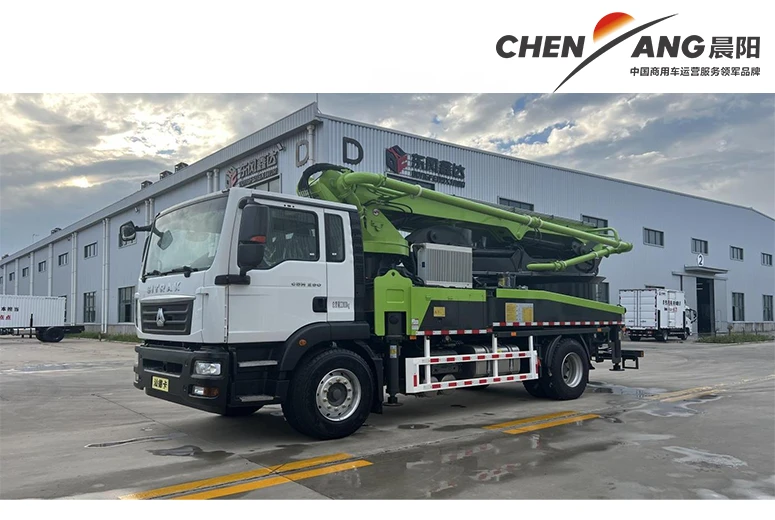
Drawing from our experience in handling complex machinery like the DONGFENG 33m Mixer Pump Truck and various electric vehicle platforms, we apply rigorous selection criteria to our auto parts inventory. The table below outlines how our sourcing standards for a thermal fuse for fan compare against general industry expectations, ensuring compatibility with top-tier brands.
| Performance Metric | Industry Significance | Our Engineering Standard | Advantage |
|---|---|---|---|
| Thermal Cutoff Precision | Prevents motor windings from exceeding critical temperatures. | OEM-grade calibration (Aligned with FAW/SINOTRUK specs) | Eliminates nuisance tripping while ensuring absolute safety during overload. |
| Current Rating Stability | Ensures the fuse handles startup surges without failure. | Heavy-duty rating for commercial applications (e.g., HOWO 8*4 Dump Trucks) | High resilience against current spikes common in industrial machinery. |
| Environmental Resistance | Durability against vibration, moisture, and dust. | All-Terrain Standard (Tested for conditions in 34 export countries) | Extended lifespan in harsh environments, from African heat to Russian cold. |
| Supply Chain Integrity | Guarantee of genuine materials and reliable function. | Direct sourcing from authorized brand supply chains (FOTON, DONGFENG) | Zero risk of counterfeit components compromising vehicle safety. |
Strategic procurement of maintenance components is a key driver of long-term profitability. While a thermal fuse for fan is a low-cost item relative to the vehicle, its failure mode determines the difference between a simple repair and an engine overhaul. By utilizing Chenyang Group's robust supply chain—backed by over 1,000 outstanding employees and a full range of business formats—clients can streamline their parts inventory. This ensures that the specific fuses required for diverse fleets, from agricultural tractors to electric trucks, are always available, reducing Mean Time to Repair (MTTR).
Our core value of creating a shared win-win situation drives us to provide components that extend the lifecycle of your machinery. Investing in a quality thermal fuse for fan sourced from a reputable global exporter mitigates the risk of cascading electrical failures. The chart below illustrates the comparative long-term maintenance savings when utilizing OEM-standard protection components versus generic alternatives in a commercial fleet environment.
Related products
Top Selling Products