In the rapidly expanding infrastructure and logistics sectors, decision-makers often face a critical dilemma when scaling their fleets: should they pursue a complex partnership model or opt for direct strategic procurement? When analyzing the path of acquiring a special purpose vehicle vs joint venture formation, the primary concern is balancing operational speed with asset quality. Many enterprises struggle with the extensive lead times and legal complexities associated with establishing joint ventures, which often delay the deployment of essential machinery like the DONGFENG 33m Mixer Pump Truck or XGMA Wheel Loaders.
Chenyang Group alleviates this pressure by offering the benefits of deep industry integration without the bureaucratic overhead. With over 26 years of development experience and an annual sales volume exceeding 20,000 units, we function as your strategic bridge to China's premier manufacturing capabilities. Rather than navigating a joint venture, our clients leverage our established ecosystem—connecting 34 countries with top-tier brands like SHACMAN, SINOTRUK, and FOTON. We provide the immediate access and pricing advantages typically reserved for partners, ensuring your operations scale efficiently while creating a shared win-win situation.
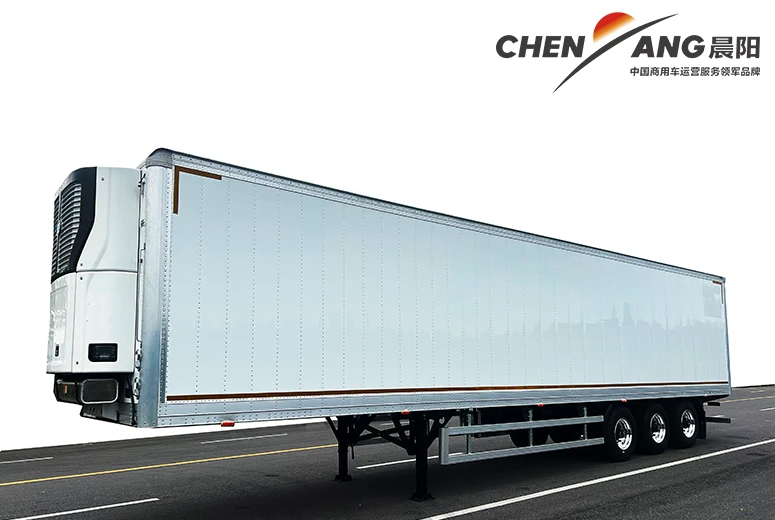
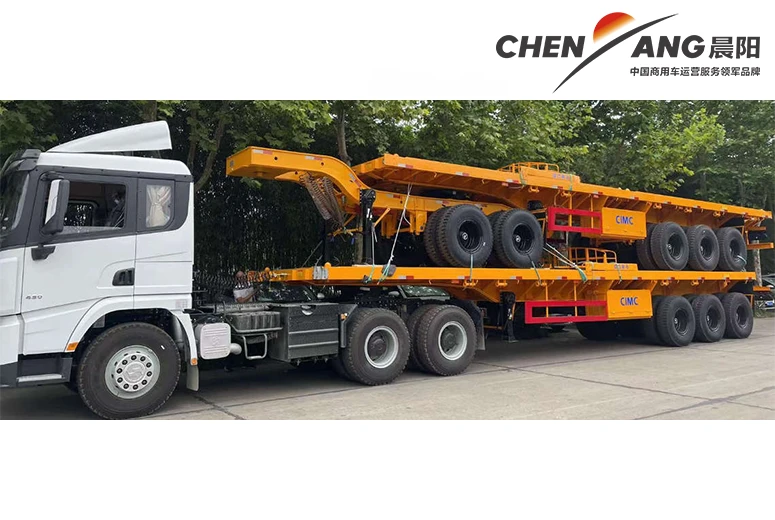
When evaluating the technical outcome of a special purpose vehicle vs joint venture manufacturing deal, the decisive factors are supply chain reliability and engineering consistency. A direct joint venture often promises customization but creates single-source dependency. Conversely, utilizing Chenyang Group’s robust platform offers a diverse portfolio, from 40ft Multifunctional Skeleton Trailers to specialized agricultural tractors, all vetted through rigorous export standards.
Our technical prowess is backed by a gross turnover exceeding 5 billion RMB and a workforce of over 1,000 experts ensuring that every unit—whether a heavy-duty SINOTRUK HOWO Electric Dump Truck or a precise truck-mounted crane—meets global compliance. Below is a breakdown of how our direct supply capability compares to traditional venture-based sourcing in terms of performance and execution.
| Performance Metric | Industry Significance | Chenyang Engineering Standard | Advantage Over Traditional JV |
|---|---|---|---|
| Asset Diversity | Operational Flexibility | Cross-brand integration (FAW, CIMC, BYD, XGMA) | Access to multiple Tier-1 brands vs. single manufacturer restriction. |
| Lead Time efficiency | Project Start Speed | Immediate global export capability to 34+ countries | Zero setup time compared to 12-24 months for JV establishment. |
| Technical Compliance | Regulatory Safety | Full export certification for complex SPVs (e.g., Mixing Trucks) | Pre-validated compliance vs. experimental production runs. |
| Supply Chain Depth | Maintenance Longevity | Comprehensive parts supply (Hydraulic oil, Tires, Coolants) | Integrated aftermarket ecosystem established since 1999. |
From a financial perspective, the debate of special purpose vehicle vs joint venture capital allocation centers on the speed of return on investment. Investing in a joint venture requires massive CAPEX for land, plant construction, and tooling before a single vehicle is produced. In contrast, procuring through Chenyang Group transforms that capital into immediate revenue-generating assets. By bypassing the "Qiya International Center" scale of infrastructure investment required for manufacturing, our clients can deploy capital directly into fleets that start earning immediately.
Our model leverages economies of scale—trading over 20,000 units annually—to pass on manufacturing-level pricing to our clients. Whether acquiring a fleet of New Energy ID. series for urban logistics or heavy construction machinery, the total cost of ownership is significantly lower. The chart below illustrates the accelerated break-even timeline when choosing direct high-volume procurement over the delayed gratification of a joint venture model.
Related products
Top Selling Products