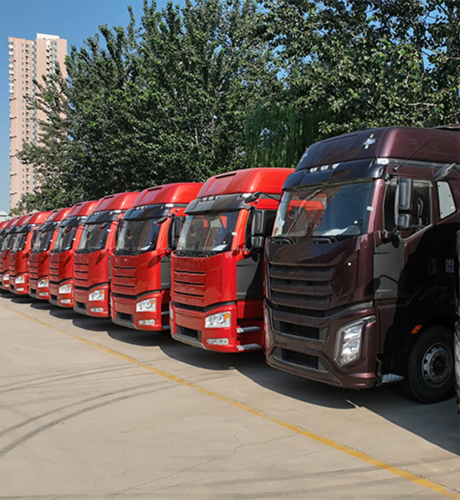
The global logistics landscape is currently undergoing a massive transformation, where the efficiency of moving bulk materials determines the competitive edge of industrial giants. At the heart of this movement is enterprise heavy duty truck sales, a sector that provides the backbone for construction, mining, and long-haul transport. Understanding the nuances of these commercial acquisitions is essential for any business aiming to optimize its supply chain and reduce operational overhead.
From a global perspective, the demand for high-capacity transport is driven by rapid urbanization and the expansion of infrastructure projects in emerging markets. According to industry trends aligned with World Bank infrastructure reports, the shift toward specialized heavy-duty vehicles is no longer just about horsepower, but about the integration of smart technology and sustainable engineering. This evolution ensures that enterprise heavy duty truck sales are increasingly focused on Total Cost of Ownership (TCO) rather than just the initial purchase price.
However, many enterprises struggle with the complexity of choosing the right vehicle specifications, often facing a trade-off between immediate cost and long-term durability. The challenge lies in navigating the vast array of chassis configurations, engine outputs, and emission standards to find a fleet that matches specific environmental conditions. By focusing on strategic enterprise heavy duty truck sales, companies can solve the bottleneck of inefficient transport and pave the way for scalable growth.
The Core Fundamentals of Enterprise Heavy Duty Truck Sales
In simple terms, enterprise heavy duty truck sales refers to the B2B transaction and strategic procurement of high-tonnage vehicles designed for industrial use. Unlike consumer vehicle sales, these transactions involve deep technical consultations regarding gross vehicle weight (GVW), axle configurations, and specialized body types—such as dump trucks, tractors, or special purpose vehicles—to ensure the machinery can withstand the rigors of heavy-duty labor.
This process is intrinsically linked to modern industrial needs, acting as the primary catalyst for humanitarian aid, urban development, and raw material extraction. When a company invests in these assets, they are not just buying a vehicle; they are investing in a logistics capability that allows for the movement of thousands of tons of cargo across diverse terrains, thereby supporting the global economic circulatory system.
Key Factors Driving Commercial Fleet Durability
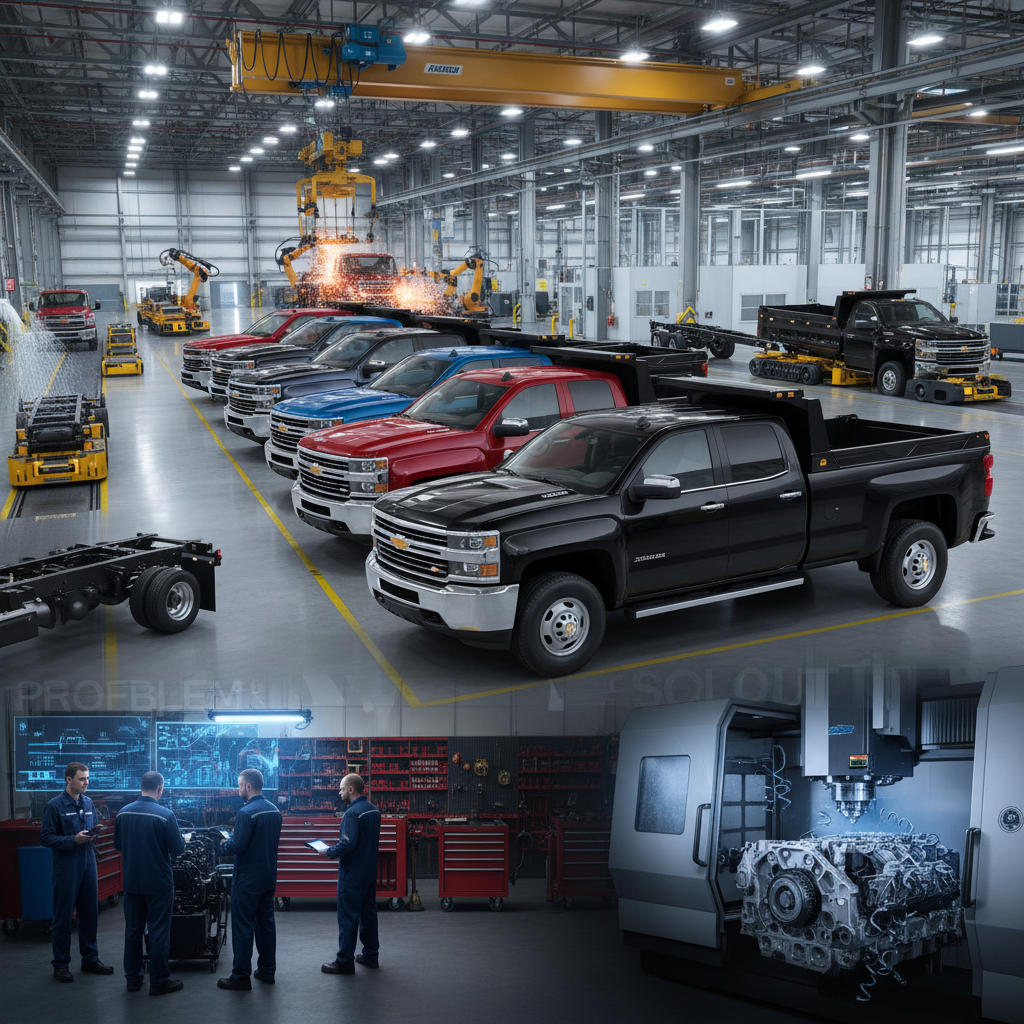
One of the most critical aspects of enterprise heavy duty truck sales is the focus on chassis integrity. For vehicles operating in mining or construction, the chassis must be engineered with high-strength alloy steel to prevent fatigue and deformation under extreme loads. This durability ensures that the vehicle maintains its structural alignment over years of operation, reducing the frequency of costly repairs and unplanned downtime.
Powertrain reliability is another cornerstone. Enterprise-grade trucks require engines that balance high torque output with fuel efficiency. Modern sales strategies now emphasize the integration of advanced transmission systems—such as automated manual transmissions (AMT)—which reduce driver fatigue and optimize gear shifts, directly impacting the lifespan of the engine and the overall efficiency of the fleet.
Lastly, the availability of after-sales support and genuine spare parts is a decisive factor. A truck is only as valuable as its uptime. Therefore, professional sales agreements typically include comprehensive maintenance packages and a guaranteed supply chain for components like filters, brake pads, and engine gaskets, ensuring that the enterprise's operational momentum remains uninterrupted.
Operational Scalability and Cost Efficiency
Scalability in the context of enterprise heavy duty truck sales means the ability of a fleet to expand or adapt to fluctuating market demands without a linear increase in cost. By selecting modular vehicle platforms, enterprises can easily swap body types—moving from a cargo carrier to a specialized tanker—depending on the project requirements, which maximizes the utility of each chassis.
Cost efficiency is measured not by the sticker price, but by the cost per ton-kilometer. Sophisticated enterprise heavy duty truck sales models now include telemetry and fleet management software. This allows operators to monitor fuel consumption in real-time, track driver behavior, and schedule predictive maintenance, effectively lowering the operational expenditure (OPEX) and increasing the profit margin of each trip.
Furthermore, the strategic acquisition of used heavy-duty trucks can offer a balanced entry point for growing businesses. By blending new, high-efficiency models with well-maintained used units, companies can scale their logistics capacity while managing their capital expenditure (CAPEX) more conservatively, provided they maintain strict quality control during the procurement process.
Global Applications and Industrial Use Cases
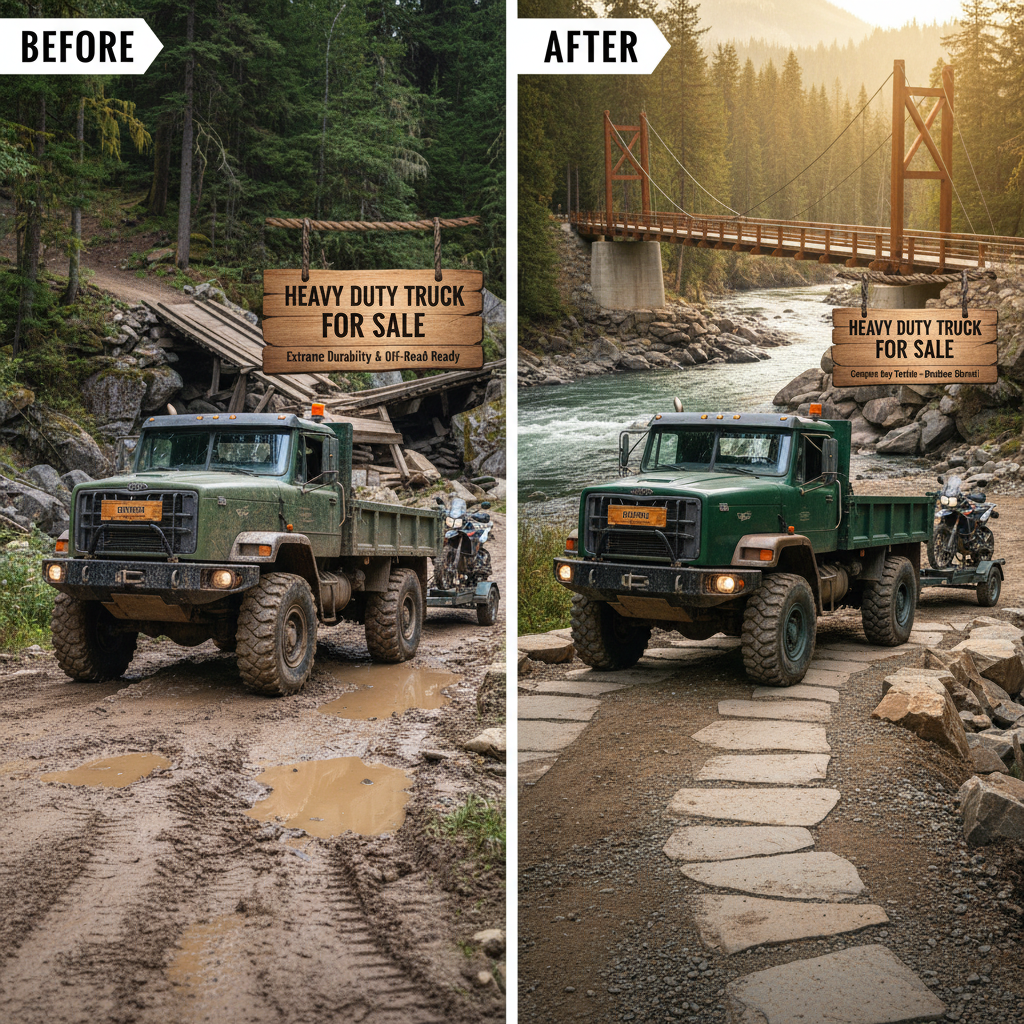
The application of enterprise heavy duty truck sales spans across various critical sectors. In the construction industry, heavy-duty dump trucks are indispensable for moving aggregates and soil in massive infrastructure projects like dam building or highway expansion. In these contexts, the ability of the truck to operate in off-road, muddy conditions is the primary requirement for project success.
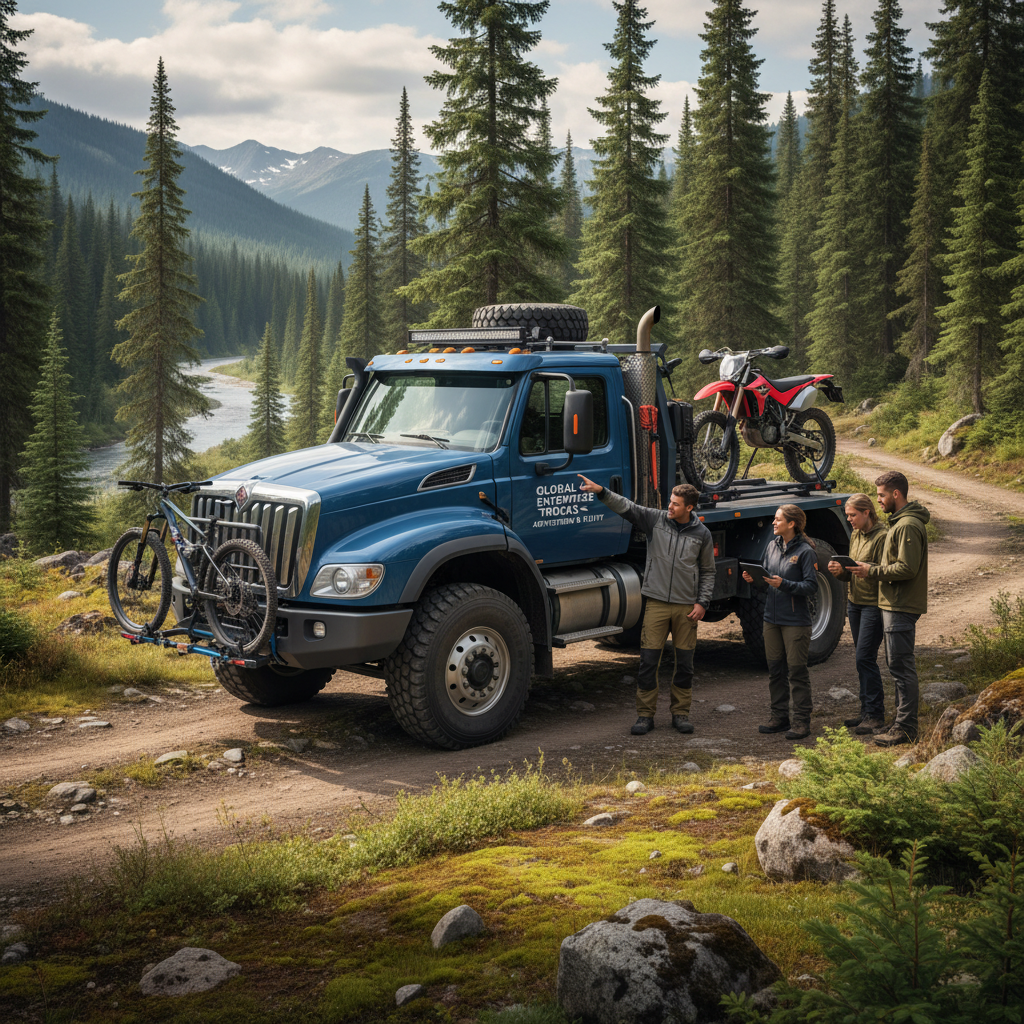
In remote industrial zones, such as the oil fields of the Middle East or the mines of Western Australia, these vehicles serve as the only viable means of transporting heavy machinery and personnel. Similarly, in post-disaster relief operations, the deployment of special purpose heavy-duty vehicles is crucial for delivering large quantities of food, water, and medical supplies to areas where roads have been compromised, highlighting the humanitarian value of these industrial assets.
Performance Metrics Across Enterprise Heavy Duty Truck Sales Categories
Tangible Advantages and Long-Term Value
Investing in high-quality enterprise heavy duty truck sales provides a profound competitive advantage through increased reliability. When a fleet consists of vehicles with superior engineering, the risk of roadside breakdowns is minimized, ensuring that delivery deadlines are met and client trust is maintained. This reliability translates directly into brand reputation for the logistics provider.
From a financial perspective, the long-term value is found in the residual value of the assets. Trucks from reputable manufacturers with standardized parts hold their value much better in the secondary market. This allows enterprises to cycle their fleets every few years, upgrading to newer, more efficient technology while recouping a significant portion of their initial investment, thus maintaining a modern and sustainable operation.
Future Trends in Heavy Vehicle Innovation
The future of enterprise heavy duty truck sales is being reshaped by the transition toward green energy. New Energy Commercial Vehicles, including electric and hydrogen-powered heavy trucks, are moving from the pilot phase to mainstream adoption. These innovations aim to drastically reduce carbon emissions in the transport sector, aligning corporate goals with global sustainability targets.
Digital transformation is also playing a pivotal role through the implementation of "Truck-to-Everything" (T2X) communication. Future fleets will likely feature semi-autonomous driving capabilities for long-haul highway stretches, reducing driver fatigue and optimizing fuel consumption through platooning. This shift towards automation will change the nature of sales, with software subscriptions becoming as important as the hardware itself.
Moreover, the adoption of advanced lightweight materials, such as carbon-fiber reinforced polymers for bodywork, is allowing for higher payloads without increasing the vehicle's curb weight. This innovation ensures that enterprise heavy duty truck sales will continue to focus on maximizing cargo efficiency while adhering to increasingly strict environmental regulations.
Overcoming Challenges in Heavy Duty Acquisitions
Despite the benefits, enterprises often face significant hurdles, such as volatile fuel prices and fluctuating interest rates on financing. To overcome these, expert sales consultants recommend diversified fleet compositions. By mixing diesel, LNG, and electric vehicles, companies can hedge their energy costs and remain flexible as fuel infrastructure evolves globally.
Another common challenge is the lack of skilled operators capable of handling modern, high-tech heavy machinery. The solution lies in integrated sales packages that include driver training and certification. When the sale of the truck is coupled with human capital development, the enterprise ensures that the vehicle's potential is fully realized and that safety standards are maintained.
Finally, navigating international import regulations can be a nightmare for global firms. Partnering with established distributors who specialize in enterprise heavy duty truck sales can simplify the process of customs clearance, homologation, and registration, allowing businesses to deploy their fleets across borders with minimal friction.
Analysis of Fleet Performance and Acquisition Dimensions
| Vehicle Category |
Durability Score (1-10) |
Fuel Efficiency |
Market Resale Value |
| New Heavy Duty Truck |
9.5 |
High |
Very High |
| Used Heavy Duty Truck |
6.0 |
Medium |
Moderate |
| Electric Commercial Vehicle |
8.0 |
Excellent |
Developing |
| Special Purpose Vehicle |
8.5 |
Low |
High |
| Construction Dump Truck |
9.0 |
Medium |
High |
| Cargo Logistics Truck |
7.5 |
High |
Moderate |
FAQS
Enterprise sales focus on industrial-grade specifications, total cost of ownership (TCO), and specialized utility. While consumer sales focus on comfort and individual use, enterprise sales involve deep technical configurations like axle load capacities and customized chassis for specific tasks like mining or construction, often including fleet-wide service contracts.
For remote mining, you should prioritize high-torque engines, reinforced chassis, and a high-clearance suspension system. It is also vital to ensure the enterprise heavy duty truck sales provider offers a strong mobile service network or a comprehensive parts kit to minimize downtime in areas where workshops are unavailable.
Currently, electric trucks are most viable for short-to-medium haul "last mile" or regional delivery due to battery weight and charging infrastructure. However, for long-haul logistics, hydrogen fuel cells and hybrid systems are emerging as more practical alternatives that offer the range required for intercity transport without compromising payload capacity.
The primary considerations are the maintenance history and the structural integrity of the chassis. You should check for frame corrosion and engine wear via professional diagnostics. Buying used can lower CAPEX, but only if the vehicle's remaining lifespan outweighs the potential increase in maintenance costs (OPEX).
Many modern sales agreements now bundle telemetry software with the vehicle. This integration allows enterprises to track fuel efficiency, monitor driver safety, and implement predictive maintenance schedules, turning the truck from a simple machine into a data-driven asset that helps optimize the entire supply chain.
Yes, if you choose modular chassis platforms during the enterprise heavy duty truck sales process. Modular designs allow for the body (e.g., crane, tank, or flatbed) to be swapped or upgraded without replacing the entire drivetrain, providing the enterprise with significant operational flexibility.
Conclusion
Navigating the world of enterprise heavy duty truck sales is a strategic exercise in balancing immediate investment with long-term operational efficiency. By focusing on chassis durability, powertrain reliability, and the integration of smart telemetry, businesses can build a fleet that not only moves cargo but also drives profitability. The transition toward green energy and automation further emphasizes that the future of heavy transport lies in the intersection of robust engineering and digital intelligence.
For companies looking to scale their logistics or optimize their industrial capabilities, the key is to move beyond a simple purchase and toward a strategic partnership with a vehicle provider. Investing in high-quality, sustainable, and scalable transport solutions today will safeguard your supply chain against the volatility of tomorrow. To find the perfect heavy-duty solution for your enterprise, visit our website: www.chenyangtruck.com.