
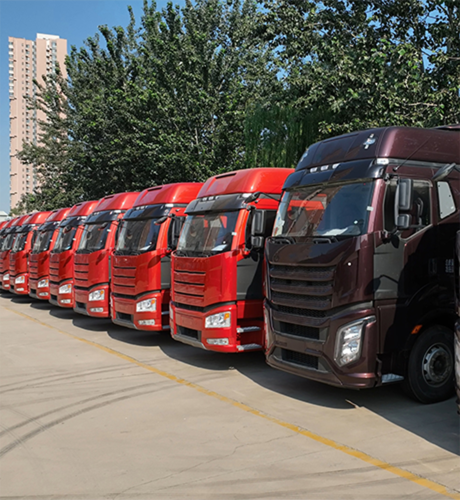
Sourcing a heavy duty truck china based manufacturer requires a nuanced understanding of the current automotive landscape, where efficiency and payload capacity are the primary drivers of operational profitability. In the competitive sector of modified vehicle manufacturing, the ability to balance chassis durability with specialized body configurations defines the success of long-haul and construction logistics.
Many procurement managers struggle to identify suppliers that provide not only the vehicle but also a sustainable after-sales ecosystem and legitimate technical support. The challenge lies in verifying the real-world performance of these vehicles against their theoretical specifications, especially when integrating custom modifications for specific industrial applications.
This guide provides a professional framework for evaluating heavy-duty commercial vehicles, analyzing the critical technical parameters that impact total cost of ownership, and outlining a strategic selection process for international buyers seeking reliable Chinese transport solutions.

Understanding Heavy Duty Truck Classifications

Heavy duty trucks from China are categorized based on their Gross Vehicle Weight (GVW) and their specific application in the transport chain. These typically range from standard cargo trucks to highly specialized engineering vehicles, including dump trucks and tractors. The modification industry plays a critical role here, as the base chassis is often customized to meet specific regulatory or operational requirements of the destination market.
Understanding these classifications is essential for ensuring that the vehicle meets the legal road weight limits and operational demands of the user. For instance, a tractor-trailer configuration is optimized for long-distance logistics, whereas a specialized dump truck is engineered for the high-stress environments of mining and construction.
Critical Chassis and Engine Parameters
When evaluating a heavy duty truck china supplier, technical scrutiny must focus on the synergy between the engine output and the chassis strength. Key metrics include the torque curve, which determines the vehicle's ability to start under full load, and the metallurgical composition of the frame, which dictates the long-term fatigue resistance of the truck under varied terrain.
Transmission efficiency and axle ratios are equally critical; a mismatch here can lead to excessive fuel consumption or insufficient climbing power. Professional buyers should analyze the integration of electrical parts and engine components to ensure they meet the duty cycle requirements of their specific operation, whether it be urban distribution or remote site hauling.
Matching Vehicle Types to Industrial Use Cases
The versatility of Chinese commercial vehicles allows for precise matching between the product and the application. For agricultural machinery and rural logistics, lighter heavy-duty configurations with higher ground clearance are often preferred. Conversely, in the construction sector, the focus shifts toward reinforced dump bodies and high-capacity hydraulic systems for engineering vehicles.
Logistics operators focusing on intercity transport prioritize aerodynamics and fuel-efficient engine mapping. By aligning the vehicle's specific configuration—such as wheelbase and axle distribution—with the actual load profile, companies can maximize their tonnage per trip while minimizing wear and tear on the powertrain.
Evaluating Total Cost of Ownership (TCO)
The initial purchase price is only one component of the financial equation. A comprehensive TCO analysis for a heavy duty truck china acquisition must include fuel economy, maintenance intervals, and the depreciation rate of the asset. Operational efficiency is often where the real cost savings are found, particularly through the optimization of engine thermal efficiency and the use of durable tires.
The chart above illustrates a conceptual relative impact index of various cost drivers over a five-year operational period. While the acquisition cost is significant at year zero, fuel and maintenance emerge as the dominant variables, emphasizing the need for vehicles with high reliability and low fuel consumption.
Supplier Verification and Service Networks
A reliable partnership depends on the supplier's ability to provide comprehensive after-sales support. Chenyang Group, for example, has developed an extensive industrial layout that includes after-sales service organizations and second-hand truck trading markets, ensuring that the vehicle's lifecycle is managed from procurement to disposal.
Buyers should verify if the supplier has a dedicated network for providing genuine transmission parts, engine components, and chassis spares. The existence of a structured after-sales organization reduces the risk of prolonged downtime, which is the most significant hidden cost in commercial fleet management.
Risk Mitigation in Modified Vehicle Sourcing
Customizing a heavy duty truck china chassis involves risks related to structural integrity and compliance. When modifications are made to the vehicle's appearance parts or specialized body, it is critical that the weight distribution remains within the manufacturer's specified limits to avoid axle overload and premature chassis failure.
Common mistakes include ignoring the impact of modifications on the vehicle's center of gravity or failing to ensure that new electrical components are compatible with the original system. Implementing a strict quality control protocol during the modification phase is the only way to ensure the vehicle remains safe and efficient throughout its service life.
Strategic Procurement Decision Matrix
To finalize a procurement decision, buyers should use a weighted matrix that compares different configurations based on their specific operational needs. The following table provides a conceptual comparison of common heavy-duty configurations and their suitability across different industrial sectors.
| Configuration | Primary Strength | Best Application | Main Consideration |
|---|---|---|---|
| Standard Cargo | Fuel Efficiency | Intercity Logistics | Payload Limit |
| Reinforced Dump | Structural Rigidity | Mining/Construction | Maintenance Cycle |
| Tractor Unit | Versatility | Long-Haul Freight | Trailer Compatibility |
| Special Purpose | Functional Specificity | Engineering Works | Regulatory Compliance |
| New Energy HD | Low Emissions | Urban Distribution | Charging Infrastructure |
| Used HD Truck | Lower Entry Cost | Short-Term Projects | Remaining Lifespan |
By utilizing this matrix, procurement officers can move beyond price-based decisions and instead focus on the value created by the vehicle's specific capabilities in relation to the intended workload.
Frequently Asked Questions
The most critical specifications include the engine's maximum torque, the chassis load-bearing capacity, axle ratios, and the thermal efficiency of the powertrain, as these directly impact hauling capacity and fuel costs.
Quality is ensured by verifying the structural certifications of the modifications, checking the weight distribution balance, and ensuring the supplier has a documented quality control process for the integration of special-purpose bodies.
A full layout provides a comprehensive lifecycle service, including procurement, after-sales maintenance, and a secondary market for resale, which significantly reduces the operational risk for the buyer.
Currently, New Energy options are most effective for urban and regional distribution where charging infrastructure is available. For ultra-long-haul, traditional or hybrid configurations remain the more practical choice.
A strong second-hand market, like the one managed by Chenyang Group, ensures better residual value for your new assets, making the overall investment more financially sustainable.
The main risks include non-compliance with local emission standards, lack of local spare parts availability, and inaccuracies in specified payload capacities compared to actual road performance.
Conclusion
Investing in a heavy duty truck china solution is a strategic decision that extends far beyond the initial invoice. Success depends on the precise alignment of vehicle specifications with operational demands, the verification of supplier service networks, and a rigorous approach to total cost of ownership analysis. By focusing on technical facts and lifecycle support rather than just the purchase price, fleet managers can ensure long-term operational stability.
For professional procurement of commercial vehicles and specialized transport solutions, you can review the available product range and service capabilities at www.chenyangtruck.com to match your specific industrial requirements.


