
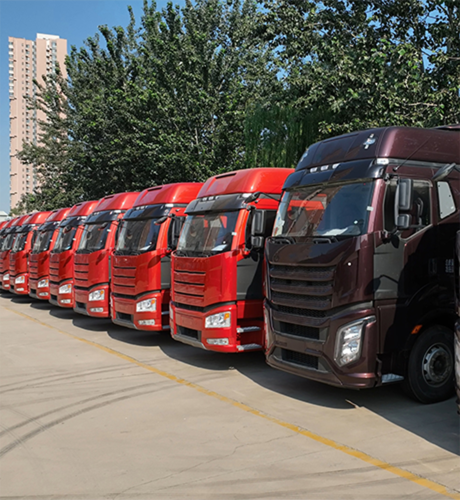
A special purpose vehicle limited company specializes in the design and manufacture of highly customized transportation solutions tailored for specific industrial, agricultural, or emergency tasks. Unlike standard commercial vehicles, these entities focus on integrating specialized equipment—such as cranes, tankers, or refrigeration units—into a cohesive chassis platform to meet precise operational requirements.
In the modern logistics and construction landscape, the demand for precision engineering has grown. Operators often struggle with generic vehicles that lack the efficiency or durability needed for extreme environments, leading to increased downtime and higher operational costs. Selecting the right specialized manufacturer is therefore critical for ensuring vehicle longevity and regulatory compliance.
This technical analysis explores the core functionalities of specialized vehicle systems, with a focus on critical engine components like the SHACMAN intercooler assembly. Readers will gain insights into how advanced thermal management improves performance and how to evaluate a special purpose vehicle limited company based on technical specifications and industry standards.

1The Role of Specialized Engineering in Heavy-Duty Vehicles

Specialized engineering transforms a standard chassis into a tool capable of performing complex tasks. Whether it is a dump truck for mining or a specialized tractor for agriculture, the integration of the superstructure with the drivetrain requires precise weight distribution and structural reinforcement. A special purpose vehicle limited company ensures that these modifications do not compromise the vehicle's safety or legality.
The process involves detailed analysis of the expected load cycles and environmental stressors. For instance, vehicles operating in coastal regions require enhanced corrosion protection, while those in mountainous areas need optimized cooling systems to handle sustained high-torque operations.
By aligning the vehicle's capabilities with the specific demands of the industry, companies can achieve a higher return on investment through reduced maintenance and optimized fuel consumption during heavy-load cycles.
2Critical Component Analysis: The Intercooler Assembly
In turbocharged engines used by special purpose vehicles, the intercooler assembly is a cornerstone of efficiency. The SHACMAN intercooler, specifically models like DZ91259531101 for the M3000 and X3000 series, is designed to lower the temperature of compressed air. This increases air density, allowing more oxygen to enter the combustion chamber for a more powerful and efficient explosion.
The precision design of the internal passages minimizes pressure loss while maximizing the surface area for heat exchange. This ensures that the engine maintains stable operating temperatures even during steep inclines or rapid acceleration, which are common in specialized transport applications.
Furthermore, the use of premium materials prevents the risk of engine knock or detonation, significantly extending the lifespan of the engine block and reducing the frequency of costly overhauls for fleet operators.
3Application Scenarios for Special Purpose Vehicles
The versatility of a special purpose vehicle limited company is reflected in the diverse range of its applications. In construction, dump trucks and engineering vehicles must withstand extreme physical impacts and abrasive dust. In these scenarios, reinforced chassis parts and high-efficiency cooling systems are non-negotiable to prevent system failure.
Agricultural machinery and tractors require a different approach, focusing on torque delivery and adaptability to uneven terrain. The integration of specialized transmission parts allows these vehicles to operate at low speeds with high pulling power without overheating the engine.
Beyond these, new energy commercial vehicles are emerging as a sustainable alternative, integrating electric drivetrains into specialized bodies to reduce emissions in urban environments while maintaining the heavy-lift capabilities of traditional diesel trucks.
4Evaluating Engine Performance and Thermal Efficiency
Thermal efficiency is directly linked to the effectiveness of the intercooling process. When compressed air is cooled, the volumetric efficiency of the engine increases. For the SHACMAN series, the intercooler's ability to stabilize air intake temperature leads to a measurable reduction in fuel consumption and a decrease in exhaust emissions.
Comparing a standard setup with one optimized by a special purpose vehicle limited company reveals significant differences in sustained power. While standard vehicles may experience power drops during prolonged high-load usage, optimized systems maintain a consistent output by managing the heat load more effectively.
special purpose vehicle limited company Performance Metrics
The data suggests that precision-engineered thermal components not only protect the engine from overheating but also optimize the turbocharger's workload, reducing wear on the turbine blades and extending the overall service interval of the powertrain.
5Procurement Standards for Customized Vehicle Fleets
Procuring vehicles from a special purpose vehicle limited company requires a focus on technical compatibility rather than just price. Buyers must evaluate the alignment between the chassis specification and the superstructure's requirements. This includes checking the load-bearing capacity, electrical integration, and hydraulic system compatibility.
A key procurement factor is the availability of after-sales support and the ease of sourcing replacement parts. For example, using standardized components like the SHACMAN intercooler assembly ensures that maintenance can be performed quickly without waiting for custom-fabricated parts.
Total Cost of Ownership (TCO) should be the primary metric, accounting for the initial purchase price, projected fuel savings from efficiency upgrades, and the estimated reduction in downtime due to the use of high-durability materials.
6Future Trends in Special Purpose Vehicle Manufacturing
The industry is moving toward "intelligent specialization," where vehicles are equipped with sensors and AI to optimize their specific functions. For instance, automated load-sensing systems in dump trucks can adjust the suspension and braking force in real-time based on the cargo weight and road conditions.
Sustainability is another driving force. The transition to New Energy Commercial Vehicles is not just about fuel, but about integrating battery systems into the specialized layout without sacrificing payload capacity. This requires new approaches to chassis design and energy management.
Additionally, the use of lightweight composite materials in the superstructure is reducing the curb weight of special purpose vehicles, allowing for higher payloads while remaining within legal weight limits and improving overall fuel efficiency.
7Comparison of Vehicle Configuration Options
When deciding on a configuration, operators must balance the trade-off between extreme specialization and versatility. A highly specialized vehicle is more efficient in one specific task but may be useless for others, whereas a modular approach offers flexibility at the cost of slightly lower peak efficiency.
The following table compares common configuration paths for heavy-duty specialized vehicles to assist in the decision-making process.
| Configuration Type | Best Use Case | Main Strength | Primary Limitation |
|---|---|---|---|
| Standard Heavy Duty | General Transport | High Versatility | Low Task Efficiency |
| Custom Mining Spec | Open Pit Mining | Extreme Durability | High Fuel Consumption |
| Urban Special Purpose | City Infrastructure | Low Emissions | Limited Payload |
| Agri-Specialized | Farm Operations | High Torque | Low Top Speed |
| Logistics Specialized | Cold Chain/Tanker | Controlled Environment | High Maintenance |
| New Energy Special | Eco-Friendly Zones | Zero Emissions | Charging Infrastructure |
Ultimately, the choice depends on the operational environment and the expected lifecycle of the vehicle. For those seeking a balance of reliability and performance, partnering with an experienced special purpose vehicle limited company like Chenyang Group can provide the necessary expertise in vehicle sourcing and customization.
Frequently Asked Questions
Conclusion
The success of heavy-duty operations depends on the synergy between a robust chassis and high-precision specialized components. From the critical role of the SHACMAN intercooler assembly in maintaining engine efficiency to the strategic selection of vehicle configurations, every detail affects the total cost of ownership and operational reliability. A special purpose vehicle limited company provides the essential bridge between generic automotive engineering and industry-specific requirements.
For organizations looking to optimize their fleet with high-performance specialized vehicles, prioritizing technical specifications and proven durability is key. Those evaluating suitable solutions can review the available product information and fleet options at www.chenyangtruck.com.