
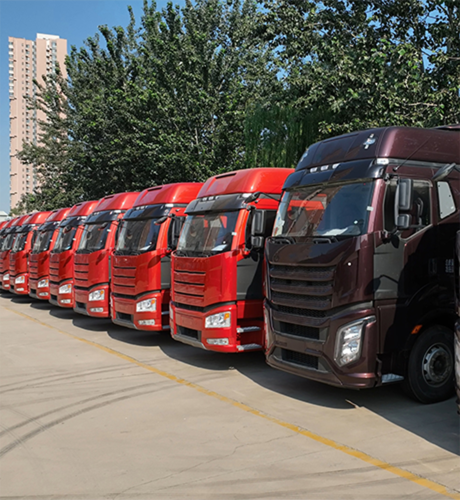
Determining the actual heavy duty truck price is rarely a matter of looking at a single sticker value; it is an exercise in calculating total operational expenditure against specific industrial requirements. For fleet managers and independent operators, the initial capital outlay is only the first variable in a complex equation involving payload capacity, engine longevity, and chassis durability.
The market for commercial transport has shifted from simple procurement to strategic asset acquisition. Whether sourcing new heavy-duty units or exploring the high-value used truck market, buyers must now balance immediate costs against the long-term efficiency of the vehicle's powertrain and its suitability for specific terrains or cargo types.
Understanding the drivers behind pricing—from raw material fluctuations in chassis manufacturing to the integration of new energy propulsion—allows businesses to optimize their logistics budgets. This guide examines the cost architecture of heavy-duty transport to help stakeholders make evidence-based purchasing decisions.

Analyzing the Core Components of Heavy Duty Truck Pricing

The price of a heavy-duty truck is fundamentally driven by its configuration and the intended stress load of its operation. Unlike passenger vehicles, these assets are modular; the cost varies significantly based on whether the buyer requires a bare chassis, a specialized dump truck body, or a complex tractor unit for semi-trailers.
Primary cost drivers include the engine displacement and emission standard compliance, which dictate both the purchase price and the future resale value. High-torque engines designed for construction machinery or engineering vehicles command a premium due to the reinforced materials required to withstand extreme duty cycles.
Furthermore, the choice between new and used heavy-duty trucks creates a wide pricing spectrum. While new vehicles offer warranties and the latest fuel-efficiency technology, used vehicles provide a lower entry barrier for smaller operators, provided the maintenance history is verifiable and the chassis integrity remains intact.
Technical Factors That Influence Asset Valuation and Costs
Technical specifications are the primary determinants of a vehicle's market value. The integration of advanced transmission parts and reinforced chassis components directly impacts the truck's ability to handle heavy payloads without premature structural failure.
Electrical parts and onboard diagnostics systems have also become significant cost variables. Modern fleets increasingly invest in telematics and intelligent engine management systems that, while increasing the initial price, reduce long-term fuel consumption and prevent catastrophic engine failure through predictive maintenance.
Material science plays a crucial role as well; the use of high-strength alloys in the frame and specialized tire compounds for different terrains (such as agricultural vs. highway use) creates distinct pricing tiers based on the required durability and safety standards.
Operational Application Scenarios and Their Cost Implications
The environment in which a truck operates dictates the necessary specifications and, consequently, the price. For instance, agricultural machinery and tractor units used in farming require different torque profiles and tire configurations than those used for long-haul cargo transport.
In the construction sector, dump trucks and engineering vehicles are priced higher due to the addition of hydraulic hoisting systems and reinforced beds designed to withstand the impact of heavy aggregates. These specialized modifications increase the complexity of the build and the requirement for high-grade steel.
Conversely, urban logistics trucks—often categorized as light or medium-duty—prioritize maneuverability and emission compliance. Their pricing is influenced more by city-access regulations and fuel-efficient stop-start technologies than by raw hauling power.
Evaluating Fleet Efficiency and TCO Benchmarks
To evaluate the value of a heavy-duty truck, operators use the Total Cost of Ownership (TCO) model. This compares the initial acquisition cost against operational savings gained from higher fuel efficiency and lower maintenance requirements.
When comparing standard industry benchmarks against optimized configurations, the difference in operational costs becomes evident. High-efficiency powertrains may cost more upfront but significantly lower the monthly expenditure on diesel and lubricants.
heavy duty truck price Performance Metrics
The data indicates that vehicles with optimized chassis and engine parts exhibit higher reliability scores and lower downtime, which is the most critical "hidden cost" in heavy-duty transport logistics.
Strategic Procurement Considerations for Commercial Fleet Expansion
Procuring heavy-duty assets requires a rigorous assessment of the supplier's after-sales infrastructure. A low purchase price can be offset by high costs if replacement parts for engines or transmissions are unavailable locally.
Buyers should evaluate the "Used Heavy Duty Truck" market as a way to scale operations quickly. However, the risk of hidden structural fatigue in the chassis means that a professional inspection of the frame and engine compression is non-negotiable.
Furthermore, the ability to source genuine accessories and appearance parts ensures that the vehicle maintains its professional image and operational safety, which are key factors in maintaining high resale values over a 5-to-10-year cycle.
Future Pricing Trends in New Energy Commercial Vehicles
The transition toward New Energy Commercial Vehicles is introducing a new pricing paradigm. Electric and hybrid heavy-duty trucks currently command a higher initial price due to the cost of high-capacity battery arrays and specialized electric motors.
However, these costs may be mitigated by government incentives and significantly lower energy costs per kilometer. The industry is likely to see a gradual decline in battery costs, making new energy trucks more competitive with traditional internal combustion engines.
The adoption of hydrogen fuel cells and advanced hybrid systems depends on the development of charging and refueling infrastructure. As these networks expand, the valuation of new energy assets will likely be driven by their efficiency in reducing carbon footprints and meeting urban emission zones.
Comparative Guide for Selecting Heavy Duty Truck Configurations
Selecting the right configuration involves matching the truck's technical capacity with the operational environment. A vehicle optimized for highway logistics will fail in a construction site, while a heavy-duty dump truck is inefficient for long-distance haulage.
The following table outlines the primary differences in configuration and the resulting cost drivers across common heavy-duty categories to assist in the decision-making process.
| Vehicle Category | Primary Cost Driver | Ideal Application | Maintenance Focus |
|---|---|---|---|
| Long-Haul Tractor | Aerodynamics & Fuel Eco | Interstate Logistics | Engine Oil & Tires |
| Heavy Dump Truck | Hydraulics & Steel Bed | Mining & Construction | Hydraulic Seals |
| Agricultural Tractor | Low-End Torque/Treads | Field Work & Towing | Transmission Wear |
| Special Purpose Veh. | Custom Body Integration | Municipal Services | Specialized Equipment |
| New Energy Truck | Battery & Motor Tech | Urban Distribution | Electrical Systems |
| Used Heavy Duty | Remaining Life/Condition | Short-term Contracts | Chassis Integrity |
Ultimately, the most cost-effective choice is the one that minimizes downtime and maximizes payload efficiency. For those evaluating these options, detailed product and company information can be reviewed through www.chenyangtruck.com.
Frequently Asked Questions
Conclusion
Navigating the complexities of heavy duty truck pricing requires a shift in perspective from "buying a vehicle" to "investing in a logistics tool." The most successful operators are those who align their procurement strategy with the actual stresses of their operational environment, ensuring that the technical capabilities of the truck justify the capital expenditure.
As the industry moves toward sustainable energy and smarter fleet management, the definition of value will continue to evolve. By focusing on the total cost of ownership and selecting configurations based on verified performance metrics, businesses can ensure their fleet remains a driver of growth rather than a cost center. For further exploration of professional vehicle solutions, visit www.chenyangtruck.com.