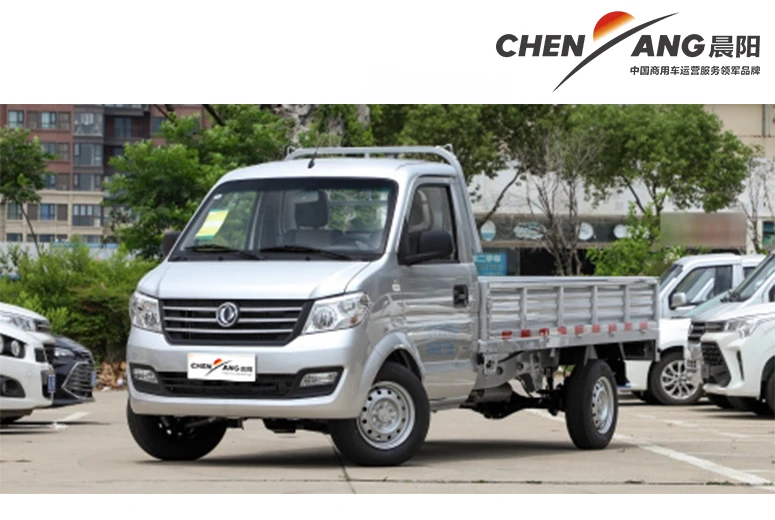
In today's rapidly densifying urban environments, the challenge isn't just getting from point A to point B; it is doing so with efficiency, minimal environmental footprint, and agility. For many gated communities, campuses, and last-mile logistics operators, traditional combustion engines are overkill—cumbersome, noisy, and expensive to maintain. The modern solution lies in selecting a dedicated Neighborhood Electric Vehicle (NEV) or a specialized one passenger electric car that prioritizes maneuverability over raw highway speed.
The Chenyang Solution: We understand that transitioning to electric mobility requires trust in both the product and the manufacturer. With a history dating back to 1999 and over 26 years of development experience, Chenyang Group has established itself as a cornerstone in the commercial and specialized vehicle market. Our annual sales volume exceeds 20,000 units, backed by a gross turnover of 5 billion RMB, ensuring that when you invest in our mobility solutions, you are supported by a stable, industry-leading infrastructure.
Navigating the market for a compact electric vehicle can be daunting given the varying quality standards. Chenyang removes this uncertainty by leveraging deep cooperation with top-tier partners like BYD and Geely, integrating high-grade components into our YD Series Low Speed Electric Vehicles. Whether you require a single-passenger utility unit or a double-cab configuration, our goal is to serve as "the most trusted friend of customers," delivering vehicles that are not just tools, but assets for smarter living.
The distinction between a generic golf cart and a robust Neighborhood Electric Vehicle lies in the engineering standards applied to the chassis, powertrain, and safety systems. At Chenyang Group, we do not view low-speed vehicles as "low tech." Instead, we apply the same rigor to our YD360 and YD Low Speed Pickup lines as we do to our heavy-duty commercial exports. Our engineering philosophy focuses on reliability, utilizing supply chains shared with giants like SHACMAN and SINOTRUK to ensure durability.
For operators looking for a one passenger electric car or utility vehicle, specific technical metrics determine the vehicle's longevity and daily usability. Below is a breakdown of how Chenyang's manufacturing standards elevate the performance of our electric mobility solutions.
| Performance Metric | Industry Significance | Our Engineering Standard | Advantage |
|---|---|---|---|
| Chassis Integrity | Determines load capacity and safety on uneven terrain. | Commercial-grade alloy construction derived from truck manufacturing heritage. | Superior durability for our YD Low Speed Pickups compared to standard recreational plastics. |
| Supply Chain Quality | Affects parts availability and component reliability. | Integration with Tier-1 partners (BYD, Geely, Foton ecosystems). | Access to automotive-grade batteries and motors rather than generic aftermarket parts. |
| Global Compliance | Ensures safety features meet diverse international regulations. | Export-ready specifications validated in 34 countries (e.g., UAE, Belgium, Philippines). | Proven safety track record in diverse climates, from desert heat to European winters. |
| Versatility & Form Factor | Critical for narrow urban lanes and campus usage. | Compact footprints (YD360 series) with optimized turning radii. | High maneuverability for single-passenger or light cargo tasks in congested zones. |
Adopting a Neighborhood Electric Vehicle strategy is not merely an environmental decision; it is a financial one. For facility managers, security firms, and private residents, the Total Cost of Ownership (TCO) of a compact electric vehicle is significantly lower than that of full-sized sedans or trucks. By eliminating fuel costs and drastically reducing maintenance requirements—such as oil changes and transmission fluid replacements—the ROI on a Chenyang electric unit becomes positive within the first 18 to 24 months of operation.
Furthermore, Chenyang Group's global footprint and financial stability (5 billion RMB annual turnover) mean that spare parts and support remain accessible, protecting the residual value of your fleet. Incentives such as purchase tax exemptions and lower operational costs for new energy vehicles further widen the gap between our electric solutions and traditional internal combustion alternatives. The chart below illustrates the cumulative cost savings of operating a Chenyang NEV versus a standard combustion utility vehicle over a five-year lifecycle.
Related products
Top Selling Products