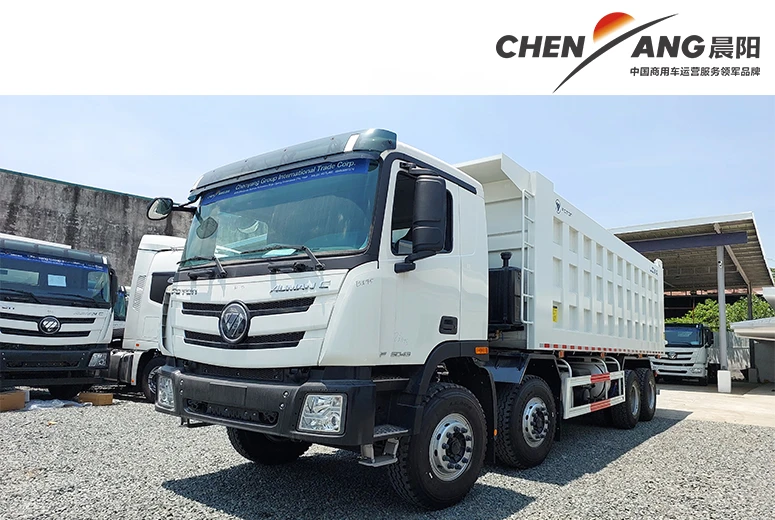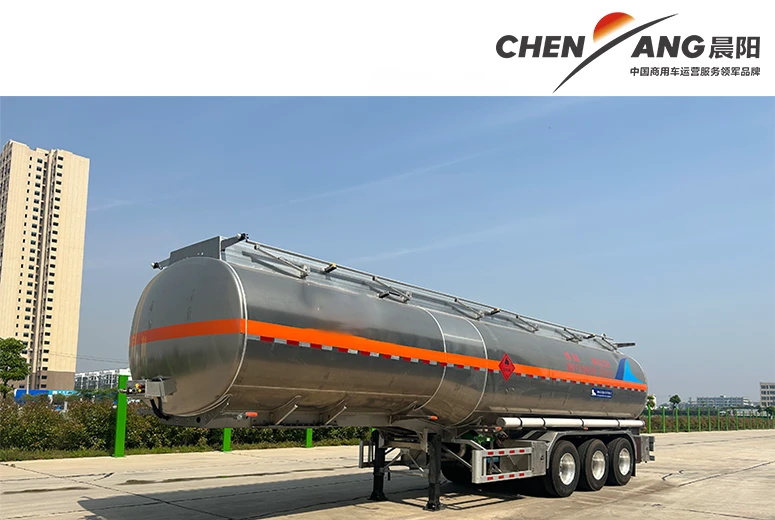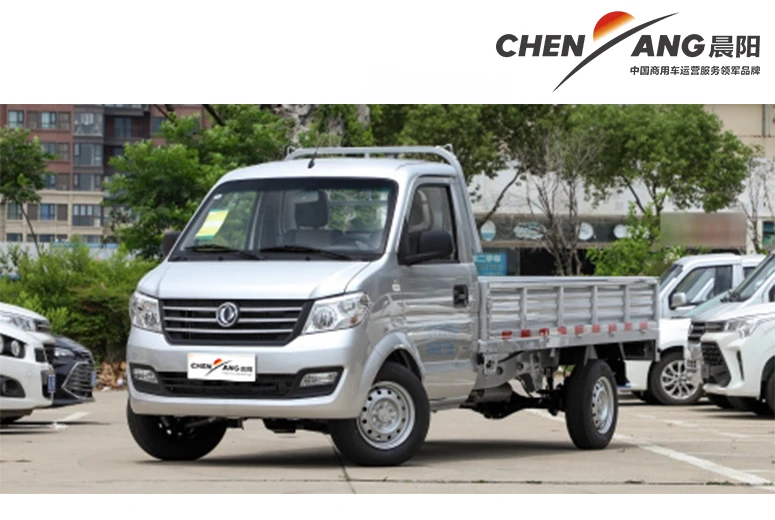
For fleet managers and independent operators, the challenge often isn't just buying a vehicle—it is identifying the precise asset that fits regulatory frameworks and operational demands. Misinterpreting light duty truck classification can lead to inefficient logistics, compliance penalties, or underutilized capacity. You require a partner who understands that a "light truck" encompasses a nuanced spectrum of vehicles, from urban delivery vans to rugged chassis cabs designed for specialized payloads.
We bridge this knowledge gap by leveraging over 26 years of industry experience to guide your selection process. With an annual sales volume exceeding 20,000 units and a global footprint across 34 countries, Chenyang Group does not merely sell vehicles; we engineer fleet solutions. Whether you are analyzing the utility of the FOTON AUMARK ET3 for last-mile delivery or evaluating the YD Low Speed Electric Double-Cab Pickup for site-specific logistics, our expertise ensures your fleet composition aligns perfectly with global standards and local operational realities.
Defining a vehicle's class goes beyond Gross Vehicle Weight Rating (GVWR); it involves a technical assessment of powertrain efficiency, chassis durability, and application versatility. Our approach to light duty truck classification involves rigorous benchmarking of top-tier OEMs like FOTON, DONGFENG, and FAW to ensure every unit we export meets stringent performance criteria.
By cooperating with industry giants, we curate a portfolio that redefines what light-duty vehicles can achieve, particularly in the realm of New Energy Vehicles (NEVs). The table below outlines how we translate standard classifications into tangible performance advantages for your business.
| Performance Metric | Industry Significance | Our Engineering Standard | Advantage |
|---|---|---|---|
| Powertrain Efficiency | Determines operational range and fuel costs in urban logistics. | Integration of advanced EV platforms (e.g., FOTON AUMARK ET3, FAW-VW ID. Series). | Zero-emission compliance and reduced energy expenditure per kilometer. |
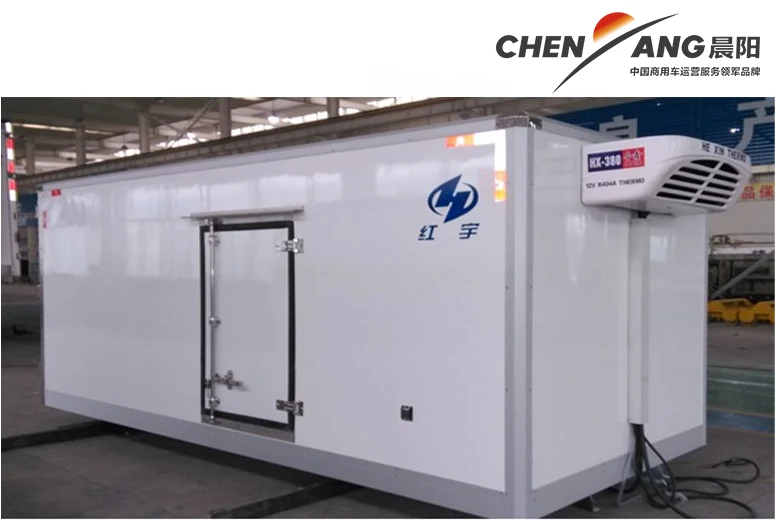
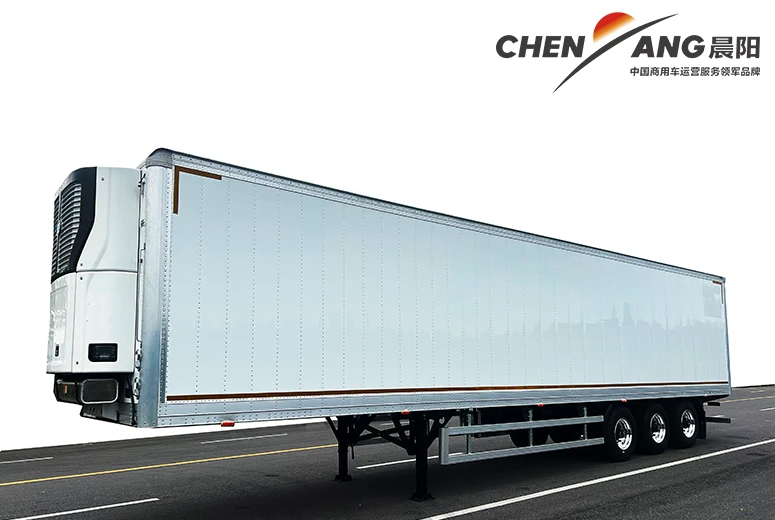
| Chassis Versatility | Ability to adapt to various body types (box, flatbed, refrigerated). | Multi-functional chassis selection (e.g., adaptable for refrigerated or flatbed setups). | One platform supports diverse light duty truck classification needs, maximizing fleet utility. |
| Payload Optimization | Balancing legal weight limits with maximum cargo volume. | High-strength alloy sourcing from partners like SINOTRUK and DONGFENG. | Higher payload capacity without exceeding classification weight limits. |
| Lifecycle Durability | Long-term asset value and resale potential. | Pre-export rigorous inspection of powertrain and hydraulic systems. | Extended service life verified by our 5 billion RMB annual turnover ecosystem. |
Strategic asset acquisition is the cornerstone of profitability in logistics. When you align your fleet procurement with a precise light duty truck classification strategy, you unlock significant long-term value. It is not simply about the purchase price; it is about Total Cost of Ownership (TCO). By utilizing our global supply chain—which includes premium brands like BYD, GEELY, and customized agricultural machinery—we help you avoid the financial drain of over-specifying or under-specifying your vehicles.
Our comprehensive service model, encompassing everything from vehicle export to after-sales support and parts supply (including tires and hydraulic fluids), ensures that your ROI is protected throughout the vehicle's lifecycle. The chart below illustrates the comparative efficiency gains when selecting a vehicle that is strictly optimized for its specific light duty truck classification versus a generic fleet selection.
Related products
Top Selling Products