
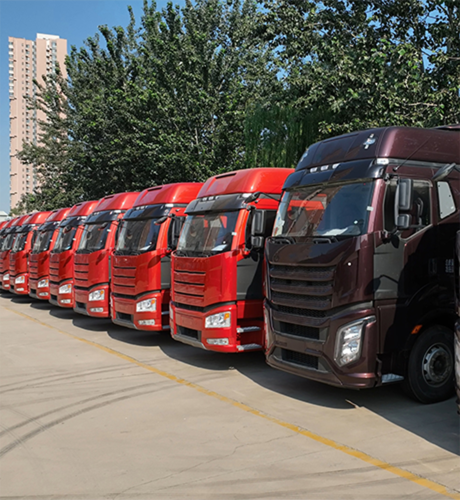

The procurement of specialized transportation equipment requires a strategic understanding of how vehicle configuration aligns with specific industrial demands. Whether it is heavy-duty haulage or urban logistics, the integration of advanced drivetrain technology and chassis engineering is essential for maximizing operational uptime. This guide explores the critical factors involved in selecting a special purchase vehicle company and evaluates the technical benchmarks of modern electric tractor trucks.
As global logistics shift toward decarbonization, the transition from internal combustion engines to high-capacity electric power systems has introduced new complexities in fleet management. Businesses must now balance battery kilowatt-hour (kWh) capacities against payload requirements and charging infrastructure. The challenge lies in finding equipment that maintains the structural integrity of a traditional heavy-duty truck while leveraging the efficiency of zero-emission propulsion.
Readers will gain technical insights into the specifications of electric tractor trucks, such as the SHACMAN M3000E, and learn how to evaluate suppliers based on their industrial layout and service capabilities. By analyzing the relationship between battery technology, safety systems, and ergonomic design, procurement officers can make informed decisions that reduce the total cost of ownership and improve long-term fleet sustainability.
The Role of Specialized Vehicle Providers in Modern Logistics
Specialized vehicle providers act as the bridge between raw automotive manufacturing and specific application needs. Unlike standard vehicle dealerships, these entities focus on "special purchase" configurations—vehicles tailored for heavy-duty operations, hazardous materials, or high-efficiency logistics. The value of such a provider lies in their ability to offer comprehensive industrial layouts, encompassing not just the sale of the vehicle, but also after-sales service organizations and trading platforms. For instance, a robust provider like Chenyang Group leverages over 26 years of experience and a network of over 30 companies to ensure that the vehicle supplied is matched to the operational environment. This systemic approach reduces the risk of procurement errors, where a vehicle might be technically sound but functionally mismatched for its intended route or load. In the current market, the focus has shifted toward electric integration, where the provider must understand the interplay between battery weight, axle loading, and energy recovery systems to ensure the vehicle meets both regulatory standards and commercial productivity goals.
Evaluating Technical and Commercial Criteria for Special Vehicles
When analyzing a heavy-duty electric tractor, the evaluation must move beyond basic horsepower to a multidimensional analysis of energy efficiency and structural durability. The following sections break down the essential technical dimensions that define the performance of modern electric special-purpose trucks.
Powertrain Transition to Electric Systems
The shift to electric powertrains in heavy-duty trucks requires a fundamental change in how torque and range are calculated. Electric motors provide instantaneous torque, which is advantageous for starting heavy loads, but the energy consumption is highly dependent on the battery's chemical composition and thermal management. For example, the SHACMAN M3000E utilizes a high-capacity battery system to sustain heavy-duty operations without compromising the 6x4 drive stability.
| Technical Factor | Requirement | Impact on Operation | Buyer Checkpoint |
|---|---|---|---|
| Battery Capacity | > 300 kWh | Directly affects daily range | Verify kWh vs. payload |
| Drive Configuration | 6x4 System | Ensures traction for heavy loads | Check axle load ratings |
| Max Speed | ~89 km/h | Determines logistical cycle time | Compare with route limits |
| Wheelbase | 3775+1400 mm | Affects turning radius/stability | Match to trailer length |
| Curb Weight | ~12,200 kg | Influences net payload capacity | Verify GVM compliance |
| Fuel Type | Electrical | Zero tailpipe emissions | Check charging port standard |
Chassis Stability and Load Distribution
In specialized vehicles, the chassis must be engineered to handle the concentrated weight of battery packs without sacrificing the structural integrity of the frame. A 6x4 drive system is typically preferred for electric tractors to distribute the battery weight more evenly across the axles, reducing wear on the road surface and increasing the vehicle's stability under maximum load conditions.
Battery Energy Density and Operational Range
Energy density is the most critical metric for electric logistics. A 350.07 kWh battery, as seen in the M3000E Super Edition, is designed to balance the trade-off between weight and distance. Buyers should evaluate the "real-world range" by considering the impact of auxiliary systems, such as PTC heaters and climate control, which can draw significant power in extreme weather conditions.
Driver Ergonomics and Cab Specifications
Long-haul operations demand a focus on driver fatigue reduction. Modern specialized trucks integrate semi-high-top cabs and airbag suspensions to isolate the operator from road vibrations. Ergonomic air seats and electronically controlled climate control are no longer luxuries but necessities for maintaining safety and productivity during extended shifts.
Active Safety and Collision Avoidance
The integration of electronic safety suites is paramount in heavy-duty transport. Systems such as Front Collision Warning (FCW) and Lane Departure Warning (LDW), combined with ABS and ESC, create a redundant safety layer. Additionally, four-way imaging systems eliminate blind spots, which is a critical requirement for navigating tight industrial zones or urban docks.
Environmental Compliance and Emissions
Transitioning to fully electric vehicles eliminates CO2 and NOx emissions at the point of use. This allows companies to operate in "green zones" or urban centers with strict emission restrictions. Beyond the exhaust, the use of energy-efficient components like LED headlights and optimized aerodynamics further reduces the overall energy footprint of the logistical operation.
Customization and Modular Integration
A key strength of a professional provider is the ability to offer customizable options. This includes varying cab designs, specialized tire selections (e.g., 12.00R20 or 295/80R22.5), and specific power take-off (PTO) configurations. Modular customization ensures that the vehicle is optimized for its specific cargo type and terrain, rather than being a generic off-the-shelf product.
FAQ
What defines a specialized purchase vehicle in the commercial sector?
A specialized purchase vehicle is a commercial truck or tractor that is modified or built to meet specific operational requirements that standard models cannot fulfill. This includes customized chassis for heavy loads, electric powertrains for emission-free zones, or specialized cabins for long-haul comfort. These vehicles are typically sourced through providers who can integrate specific technical parameters, such as high-capacity battery systems or reinforced axles, to ensure the vehicle is fit-for-purpose.
How does battery capacity affect the payload of an electric tractor truck?
Battery capacity and weight have an inverse relationship with net payload. High-capacity batteries, such as a 350 kWh system, provide a longer range but increase the curb weight of the vehicle. To mitigate this, engineers use a 6x4 drive configuration to distribute the weight across more axles, maintaining stability and ensuring the vehicle stays within legal gross vehicle weight (GVW) limits while maximizing the available cargo capacity.
What safety features are most critical for heavy-duty electric trucks?
The most critical features include Electronic Stability Control (ESC) and Anti-lock Braking Systems (ABS) to handle the high mass of electric trucks. Additionally, active systems like Front Collision Warning and Lane Departure Warning are essential for reducing accidents. For urban operations, a four-way imaging system is vital to provide 360-degree visibility, reducing the risk of collisions in restricted spaces.
Why is the wheelbase configuration important for specialized trucks?
The wheelbase (e.g., 3775+1400 mm) determines the balance between maneuverability and stability. A shorter wheelbase allows for a tighter turning radius, which is better for urban delivery, while a longer or strategically distributed wheelbase is necessary for heavy-duty tractor trucks to ensure that the load is balanced between the front and rear axles, preventing chassis strain and improving highway safety.
How should a business evaluate a supplier of special-purpose vehicles?
Buyers should look beyond the vehicle's price and examine the supplier's industrial layout. A reliable provider should offer an integrated ecosystem, including commercial vehicle trading, after-sales service organizations, and a proven track record of sales volume. The ability to provide customizable configurations and technical support for new technologies, like electric powertrains, is a strong indicator of the supplier's long-term reliability.
What are the main advantages of an electric tractor over a diesel one?
The primary advantages are the total elimination of tailpipe emissions, significantly lower operational costs due to cheaper electricity compared to diesel, and reduced maintenance requirements because electric motors have fewer moving parts. Additionally, electric trucks often provide a quieter driving experience and higher initial torque, which improves performance when pulling heavy loads from a standstill.
References and further reading
- Heavy-Duty Electric Vehicle Performance Standards and Battery Integration Guidelines.
- Commercial Logistics Energy Efficiency Analysis for Zero-Emission Fleets.
- International Standards for Heavy Vehicle Chassis Stability and Axle Loading.


