
Exploring Trends in the Car New Model Automotive Market
Exploring the Latest Car New Model Trends
The automotive industry is in constant flux, with manufacturers continuously innovating to meet evolving consumer demands. A car new model represents not just a fresh design, but often incorporates advancements in technology, safety, and sustainability. This article delves into the current landscape of new car models, highlighting key trends, emerging technologies, and what buyers can expect in the modern automotive market. Understanding these shifts is crucial for both consumers and industry professionals. We'll explore the key aspects that define a successful new vehicle launch in today's competitive environment.

Key Trends Shaping New Car Models
Several prominent trends are currently driving the development of car new models. Electrification is arguably the most significant, with increasing adoption of electric vehicles (EVs) and hybrid powertrains. Secondly, connectivity is becoming paramount, with cars now acting as mobile hubs for communication, entertainment, and navigation. Autonomous driving technologies are also rapidly evolving, promising increased safety and convenience. Furthermore, manufacturers are focusing on sustainable materials and production processes to reduce environmental impact. These advancements aren’t just about features; they represent a fundamental shift in how vehicles are designed, built, and used.
Key Highlights: Electrification, connectivity, autonomous driving, and sustainability are at the forefront of new car development, influencing design, production, and the overall driving experience.
The Rise of Electric Vehicles (EVs)
Electric vehicles are rapidly gaining market share, driven by advancements in battery technology, government incentives, and growing environmental concerns. Car new models are increasingly offered in all-electric variants, with manufacturers investing heavily in EV infrastructure and production capacity. The benefits of EVs include zero tailpipe emissions, lower running costs, and a quiet driving experience. However, challenges remain, such as range anxiety, charging infrastructure availability, and battery costs. The future of transportation is undoubtedly electric, and the pace of adoption is only expected to accelerate.
EV Benefits:
• Zero tailpipe emissions
• Lower running costs
• Quiet driving experience
• Reduced reliance on fossil fuels
Connectivity and the Modern Car
Modern car new models are increasingly connected, offering a range of features such as over-the-air software updates, real-time traffic information, and integrated smartphone connectivity. Infotainment systems have become more sophisticated, with larger touchscreens, voice control, and access to a wide range of apps. Connectivity also plays a crucial role in advanced safety features, such as automatic emergency braking and lane departure warning. The connected car experience is transforming the way people interact with their vehicles, making driving more convenient, safe, and enjoyable.
Comparing Popular Car New Models (2024)
The market offers a plethora of choices when it comes to car new models in 2024. Here's a quick comparison of three popular options:
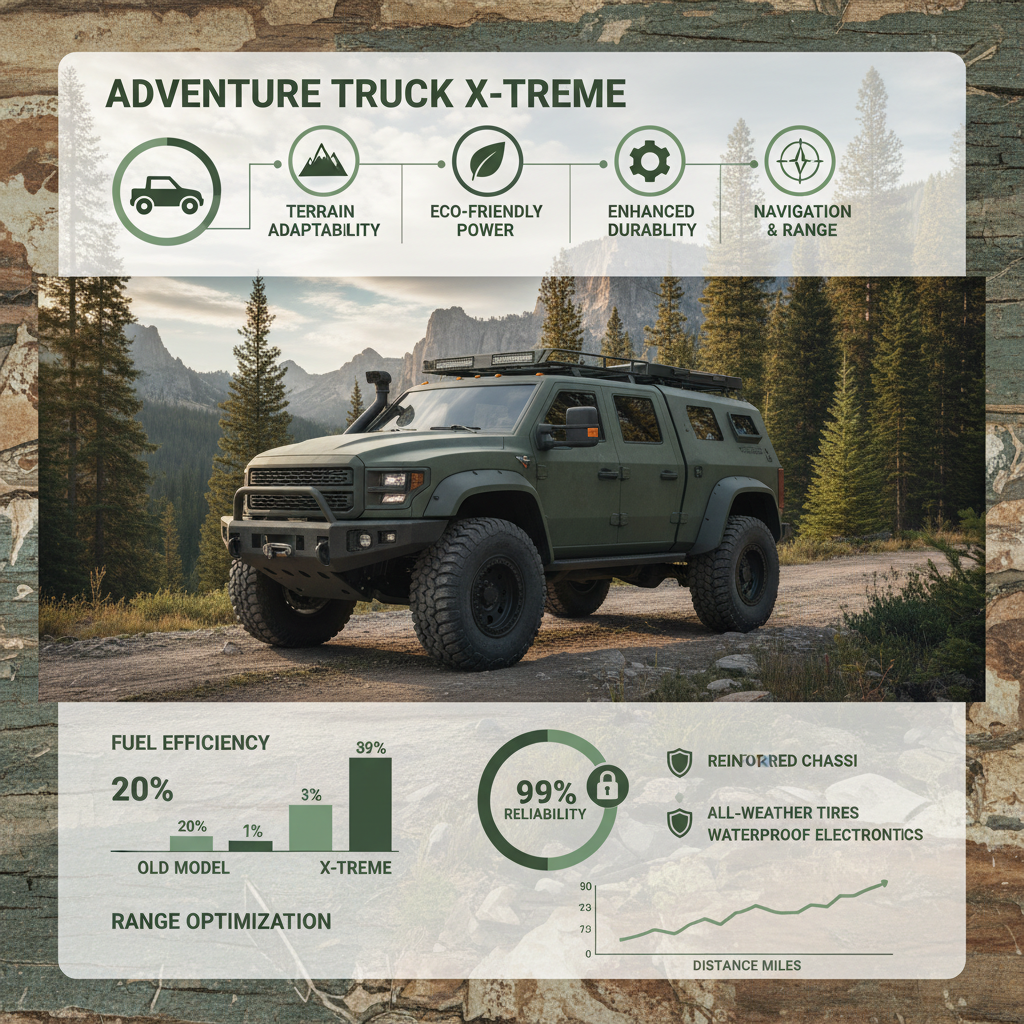
Conclusion: Navigating the Future of Automotive Innovation
The automotive industry is undergoing a period of unprecedented change. Car new models are becoming increasingly sophisticated, offering a blend of technology, safety, and sustainability. Staying informed about these trends is crucial for consumers and industry professionals alike. The future of driving is here, and it’s more exciting than ever.
Frequently Asked Questions (FAQs)
What factors should I consider when buying a new car?
Several factors should influence your decision, including your budget, needs, and lifestyle. Consider the type of vehicle (sedan, SUV, truck, etc.), fuel efficiency, safety features, technology, and reliability. Think about your daily commute, passenger requirements, and cargo space needs. Research different models and compare prices. Reading reviews and test driving vehicles are also crucial steps in the process. Don't forget to factor in long-term costs, such as insurance, maintenance, and fuel.
Are electric cars more expensive to maintain than gasoline cars?
Generally, electric cars have lower maintenance costs than gasoline cars. EVs have fewer moving parts, eliminating the need for oil changes, spark plug replacements, and exhaust system repairs. Brake wear is also reduced due to regenerative braking. However, battery replacement can be a significant expense, though battery technology is rapidly improving and prices are falling. Overall, the total cost of ownership for an EV can be lower than a gasoline car, especially when considering fuel savings and incentives.
How important are advanced safety features in a new car?
Advanced safety features are incredibly important. Features like automatic emergency braking, lane departure warning, blind spot monitoring, and adaptive cruise control can significantly reduce the risk of accidents. These technologies act as a second set of eyes and can help prevent collisions. Investing in a car with comprehensive safety features is a wise decision for protecting yourself and your passengers. Prioritize models with high safety ratings from organizations like IIHS and NHTSA.
What is regenerative braking and how does it work?
Regenerative braking is a technology used in electric and hybrid vehicles that captures energy typically lost during braking and converts it back into electricity to recharge the battery. When you apply the brakes, the electric motor acts as a generator, slowing the car down while simultaneously storing energy. This increases energy efficiency and extends the driving range of the vehicle. It also reduces wear on the brake pads, leading to lower maintenance costs.
-
Best Guide for Finding High Quality Heavy Dump Trucks for SaleNewsApr.16,2026
-
Best Day Cab Heavy Haul Trucks for Sale and Selection GuideNewsApr.09,2026
-
Find The Best Deals on 2500 Heavy Duty Trucks for Sale TodayNewsApr.07,2026
-
Exploring the Dynamic Landscape of New Electric Car Companies and InnovationNewsApr.04,2026
-
Understanding Car On Road Price A Comprehensive Buyers GuideNewsMar.31,2026
-
Comprehensive Guide to Understanding the City Car Price and Market TrendsNewsMar.28,2026