Comprehensive Guide to Understanding the City Car Price and Market Trends
Understanding the City Car Price Landscape
Navigating the world of city car prices can be complex. Factors like brand, model, features, and location all play a significant role. Whether you’re looking for a compact vehicle for commuting, or a cost-effective option for urban driving, this guide provides a comprehensive overview of the current market, price ranges, and key considerations when purchasing a city car. At Chenyang Truck, we understand the importance of finding the right vehicle at the right price.
Factors Influencing City Car Prices
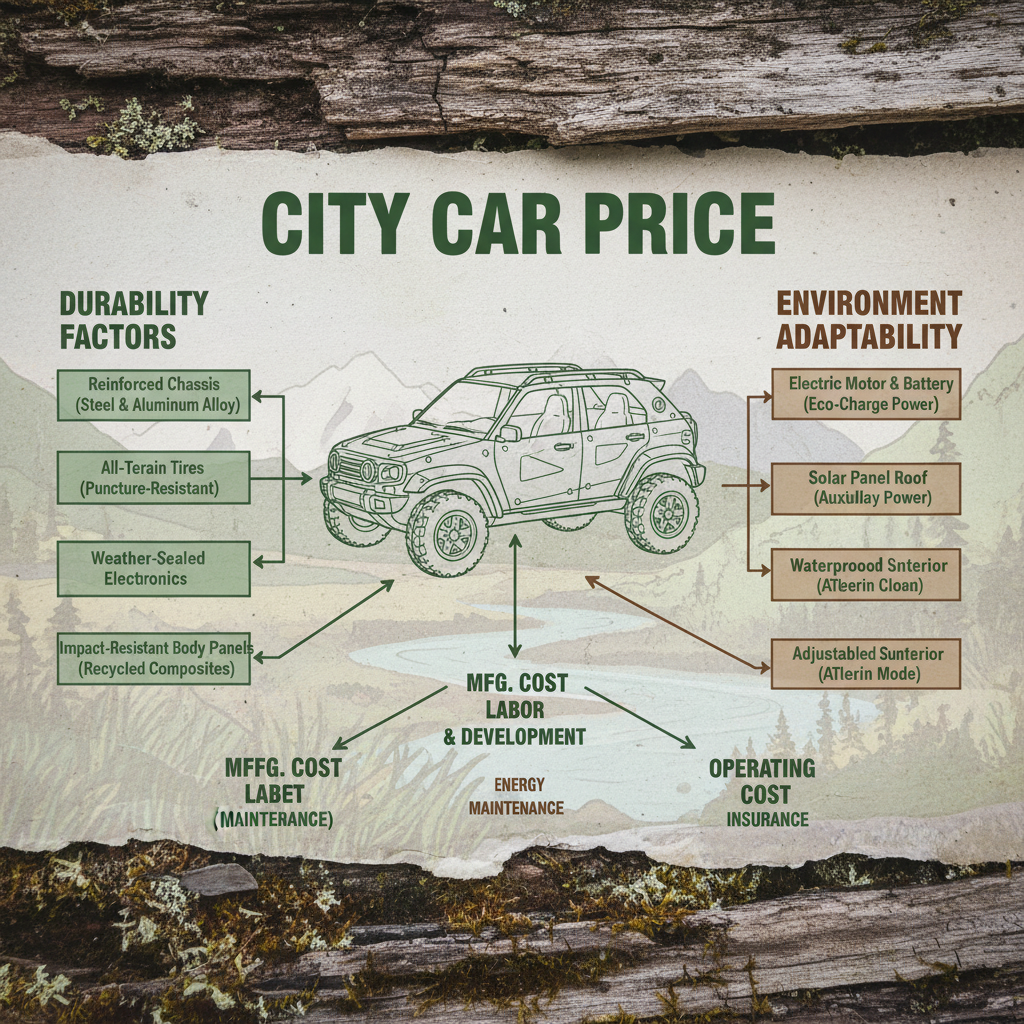
Several factors contribute to the final city car price. These include the manufacturer, model year, trim level, engine type, and any added features. New car prices are often influenced by demand, production costs, and dealer markups. Used car prices are dependent on mileage, condition, and local market conditions. Economic factors, such as inflation and interest rates, can also impact affordability. Furthermore, government incentives for electric or hybrid vehicles can lower the overall cost. Understanding these elements is crucial for making an informed purchasing decision.
Key Considerations: Consider the total cost of ownership, including insurance, fuel, maintenance, and potential repairs, when evaluating city car prices.
Average City Car Price Ranges (2024)
The city car price range varies considerably depending on the type of vehicle. Here’s a general breakdown of average price ranges in 2024:
Popular City Car Models and Their Prices
Here’s a look at some popular city car models and their approximate price ranges (as of late 2024):

City Car Price: New vs. Used – A Comparison
Choosing between a new and used city car involves weighing several factors. New cars come with warranties, the latest features, and no prior wear and tear. However, they depreciate rapidly in the first few years. Used cars offer a lower initial cost but may require more maintenance and have limited warranty coverage. The best option depends on your budget, priorities, and risk tolerance. Thorough inspection and a vehicle history report are essential when considering a used vehicle.
New vs. Used: Key Differences
• Warranty Coverage: New cars typically have comprehensive warranties.
• Depreciation: New cars depreciate faster than used cars.
• Maintenance: Used cars may require more frequent maintenance.
• Features: New cars have the latest technology and safety features.
Tips for Getting the Best City Car Price
To secure the best possible city car price, consider these tips: Research different models and compare prices online. Get quotes from multiple dealerships. Negotiate the price, focusing on the out-the-door cost. Explore financing options and compare interest rates. Be flexible with your desired features and color. Consider purchasing during off-peak seasons or at the end of the month. At Chenyang Truck, our experienced team can assist you in navigating these strategies.
Conclusion: Finding Your Ideal City Car
Understanding the factors influencing city car prices and conducting thorough research are vital to making a smart purchasing decision. Whether you prioritize affordability, fuel efficiency, or advanced features, there's a city car to fit your needs and budget. Chenyang Truck is committed to providing transparent pricing and exceptional customer service.
Frequently Asked Questions (FAQs)
What is the average annual maintenance cost for a city car?
The average annual maintenance cost for a city car can range from $300 to $800, depending on the make and model, your driving habits, and the region you live in. Routine maintenance, such as oil changes, tire rotations, and brake inspections, are essential for keeping your vehicle in good condition. Consider the long-term cost of maintenance when evaluating the overall city car price.
How does insurance cost affect the total cost of ownership?
Insurance costs can significantly impact the total cost of ownership. Premiums vary based on factors such as your age, driving record, location, and the type of vehicle. It’s important to get quotes from multiple insurance providers to find the best rates. Generally, smaller and safer city cars tend to have lower insurance premiums.
Are there any government incentives for purchasing electric city cars?
Yes, many governments offer incentives for purchasing electric vehicles, including tax credits, rebates, and exemptions from certain fees. These incentives can significantly lower the initial cost of an electric city car. Be sure to research the incentives available in your region before making a purchase. Chenyang Truck can provide information on current incentive programs.
What should I look for when inspecting a used city car?
When inspecting a used city car, check for any signs of damage, such as dents, scratches, or rust. Inspect the tires for wear and tear. Test all the features, including the air conditioning, lights, and infotainment system. Review the vehicle history report to identify any potential issues. If possible, have a qualified mechanic inspect the vehicle before making a purchase.
-
Best Guide for Finding High Quality Heavy Dump Trucks for SaleNewsApr.16,2026
-
Best Day Cab Heavy Haul Trucks for Sale and Selection GuideNewsApr.09,2026
-
Find The Best Deals on 2500 Heavy Duty Trucks for Sale TodayNewsApr.07,2026
-
Exploring the Dynamic Landscape of New Electric Car Companies and InnovationNewsApr.04,2026
-
Understanding Car On Road Price A Comprehensive Buyers GuideNewsMar.31,2026