
Comprehensive Guide to Understanding the All Car Price Market and Factors
Understanding the All Car Price Landscape
Navigating the automotive market and determining the all car price range can be a complex process. Factors like make, model, year, condition, location, and market demand all play significant roles. Whether you're looking for a brand-new vehicle or a reliable used car, understanding these dynamics is crucial for making an informed purchasing decision. This article provides a comprehensive overview of factors influencing car prices and resources to find the best deals. Chenyang Truck is committed to providing competitive pricing and a wide selection of vehicles.

Factors Influencing All Car Price
Several key elements contribute to the final all car price. These include the vehicle's manufacturer and model, its age and mileage, the overall condition (including mechanical and cosmetic aspects), and any optional features or upgrades. Furthermore, economic conditions, fuel prices, and seasonal demand can all impact prices. Location is also paramount, as prices vary significantly between regions due to local taxes, regulations, and demand.
New vs. Used Car Pricing
The price difference between new and used cars is substantial. New cars depreciate rapidly in the first few years, losing a significant percentage of their value as soon as they are driven off the lot. This depreciation makes used cars an attractive option for budget-conscious buyers. However, used cars may require more maintenance and repairs, so it’s important to factor these potential costs into your budget. A comprehensive vehicle history report is essential when considering a used car.
Key Considerations: New cars offer the latest technology and warranties, while used cars provide greater affordability and slower depreciation in the initial years of ownership.
Understanding All Car Price Ranges by Vehicle Type
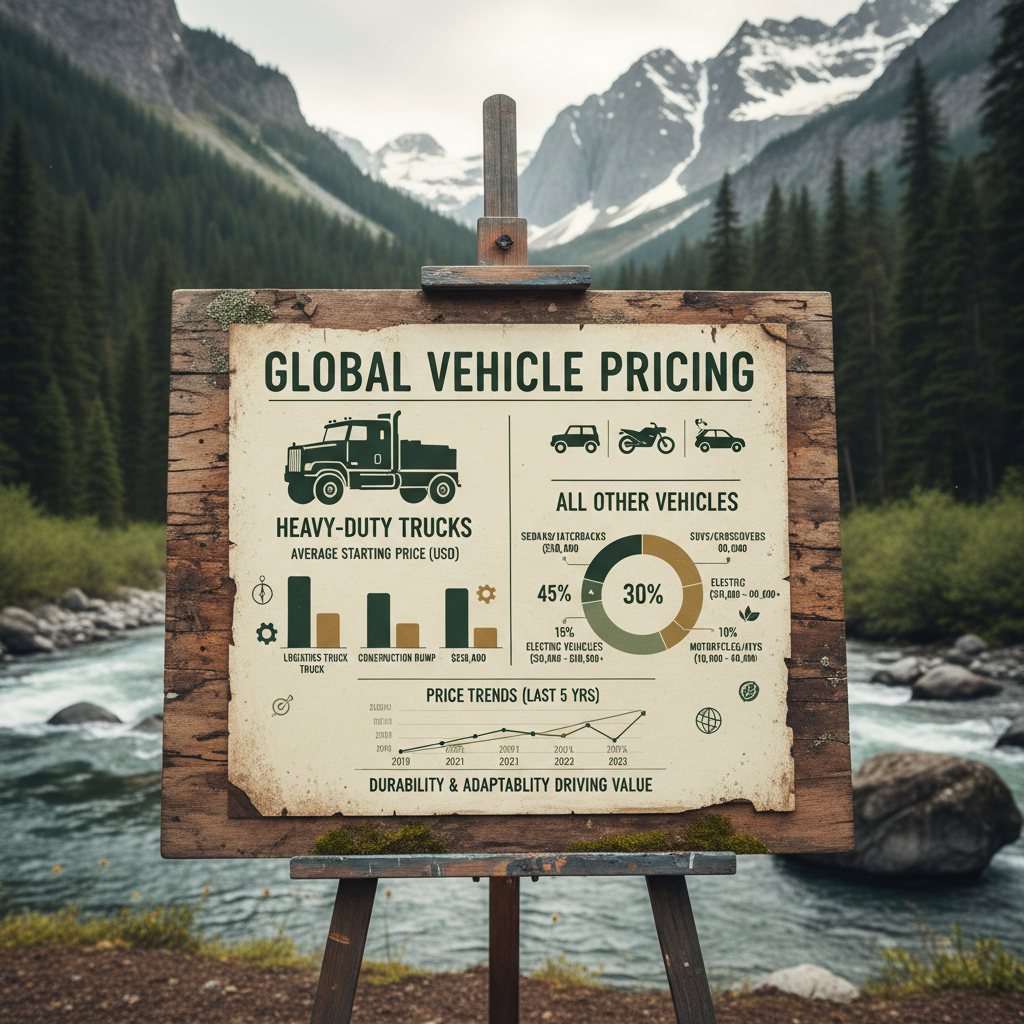
The all car price varies greatly depending on the vehicle type. For example, trucks and SUVs generally command higher prices than sedans and hatchbacks due to their size, capability, and demand. Luxury vehicles and sports cars typically have higher price points compared to economy cars. Electric vehicles (EVs) have a unique pricing structure influenced by government incentives and battery technology costs. Below is a general price range overview (USD):
Where to Find Accurate All Car Price Information
Numerous online resources can help you research all car price. Websites like Kelley Blue Book (KBB), Edmunds, and NADAguides provide valuation tools and market analysis. Online car marketplaces such as AutoTrader and Cars.com offer listings with prices from dealers and private sellers. Remember to compare prices across multiple sources and consider the vehicle's condition and history when evaluating deals. Chenyang Truck's website also features up-to-date pricing and detailed vehicle information.
Negotiating the All Car Price: Tips and Strategies
Negotiating the price is often possible, especially with used cars. Researching the vehicle's market value and identifying any flaws or necessary repairs can give you leverage. Be prepared to walk away if the dealer or seller is unwilling to meet your desired price. Consider financing options carefully and compare rates from different lenders. Don't be afraid to ask questions and take your time making a decision. Remember, a well-informed buyer is more likely to secure a favorable deal. At Chenyang Truck, our sales team is dedicated to transparent pricing and helping you find the perfect vehicle at a price that fits your budget.
Conclusion: Empowering Your Car Buying Journey
Understanding the factors that influence all car price and utilizing available resources will empower you to make a smart and informed purchase. Whether you’re in the market for a new or used vehicle, thorough research, careful negotiation, and a clear understanding of your needs and budget are key to a successful outcome.
Frequently Asked Questions (FAQs)
What is the best time of year to buy a car?
Generally, the end of the year (November-December) and the end of the month are the best times to buy a car. Dealers are often trying to meet sales quotas and clear out inventory, making them more willing to offer discounts. Additionally, new models typically arrive in the fall, leading to deals on the outgoing year's models. However, demand can fluctuate, so it's always wise to compare prices and be prepared to negotiate regardless of the time of year.
How can I determine a fair price for a used car?
Utilize online valuation tools like Kelley Blue Book (KBB) and Edmunds to get an estimate of the car's market value based on its make, model, year, mileage, and condition. Obtain a vehicle history report (e.g., Carfax or AutoCheck) to check for accidents, title issues, and maintenance records. Compare prices of similar vehicles in your area to get a sense of the local market. Consider the cost of any necessary repairs or maintenance when determining a fair price.
What financing options are available when buying a car?
Common financing options include loans from banks, credit unions, and dealerships. Dealerships often offer promotional financing rates, but it's essential to compare rates from multiple lenders to find the best deal. Consider your credit score, down payment amount, and loan term when evaluating options. Be aware of interest rates, fees, and any prepayment penalties.
Should I consider an extended warranty?
Whether or not to purchase an extended warranty depends on your budget and risk tolerance. Extended warranties can provide peace of mind by covering unexpected repairs, but they also come with a cost. Carefully review the terms and conditions of the warranty to understand what is covered and what is not. If you're buying a reliable vehicle with a good track record, an extended warranty may not be necessary.
-
Best Guide for Finding High Quality Heavy Dump Trucks for SaleNewsApr.16,2026
-
Best Day Cab Heavy Haul Trucks for Sale and Selection GuideNewsApr.09,2026
-
Find The Best Deals on 2500 Heavy Duty Trucks for Sale TodayNewsApr.07,2026
-
Exploring the Dynamic Landscape of New Electric Car Companies and InnovationNewsApr.04,2026
-
Understanding Car On Road Price A Comprehensive Buyers GuideNewsMar.31,2026
-
Comprehensive Guide to Understanding the City Car Price and Market TrendsNewsMar.28,2026