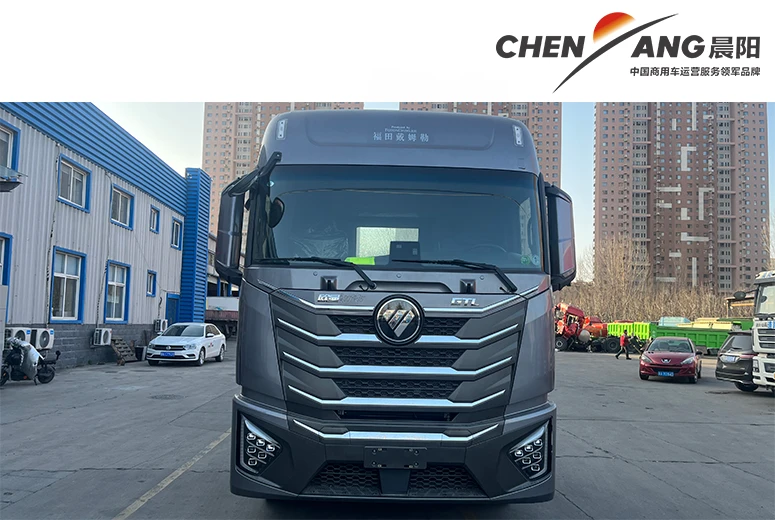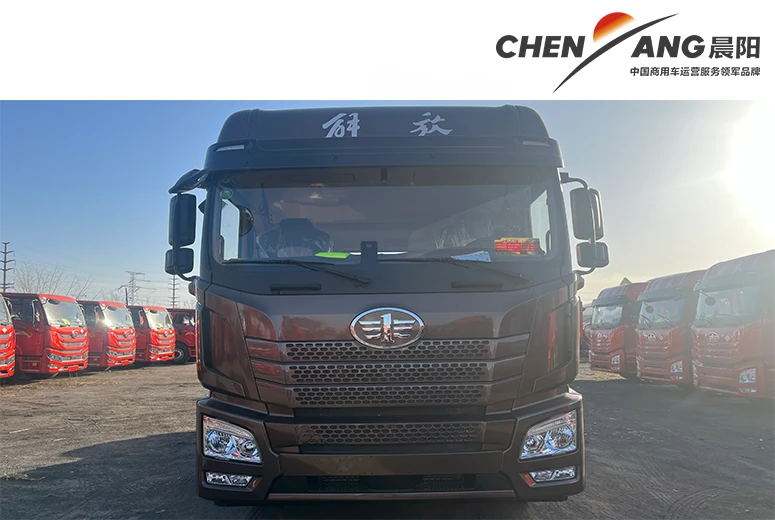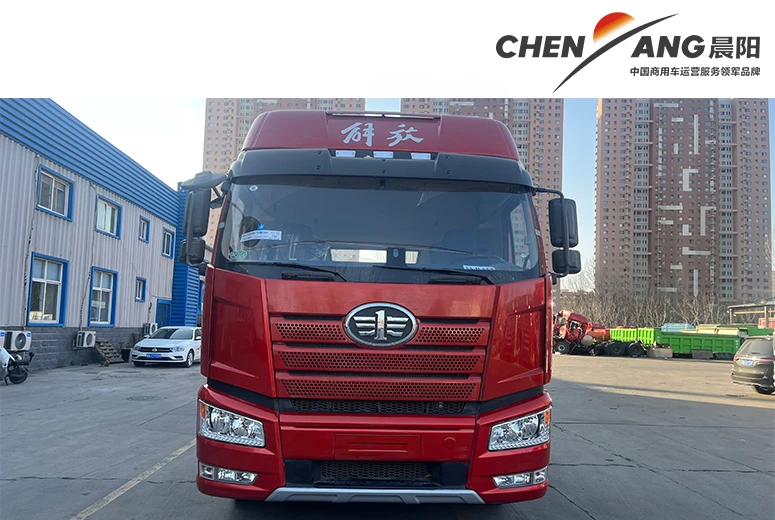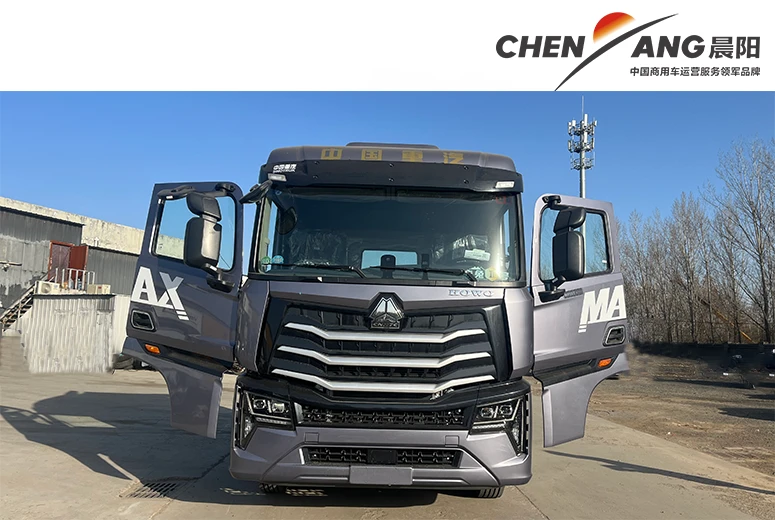
Best Guide for Finding High Quality Heavy Dump Trucks for Sale
Finding the Best Heavy Dump Trucks for Sale: A Buyer's Guide
Investing in the right machinery is the backbone of any successful construction or mining operation. When searching for heavy dump trucks for sale, it is essential to balance payload capacity, engine durability, and operational costs. A high-quality dump truck doesn't just move earth; it optimizes your project timeline and maximizes profit margins. Whether you are managing a large-scale quarry or a municipal infrastructure project, understanding the technical nuances of heavy-duty hauling is key to making a sustainable investment. In this guide, we will explore the critical factors to consider to ensure you get the most value out of your purchase.
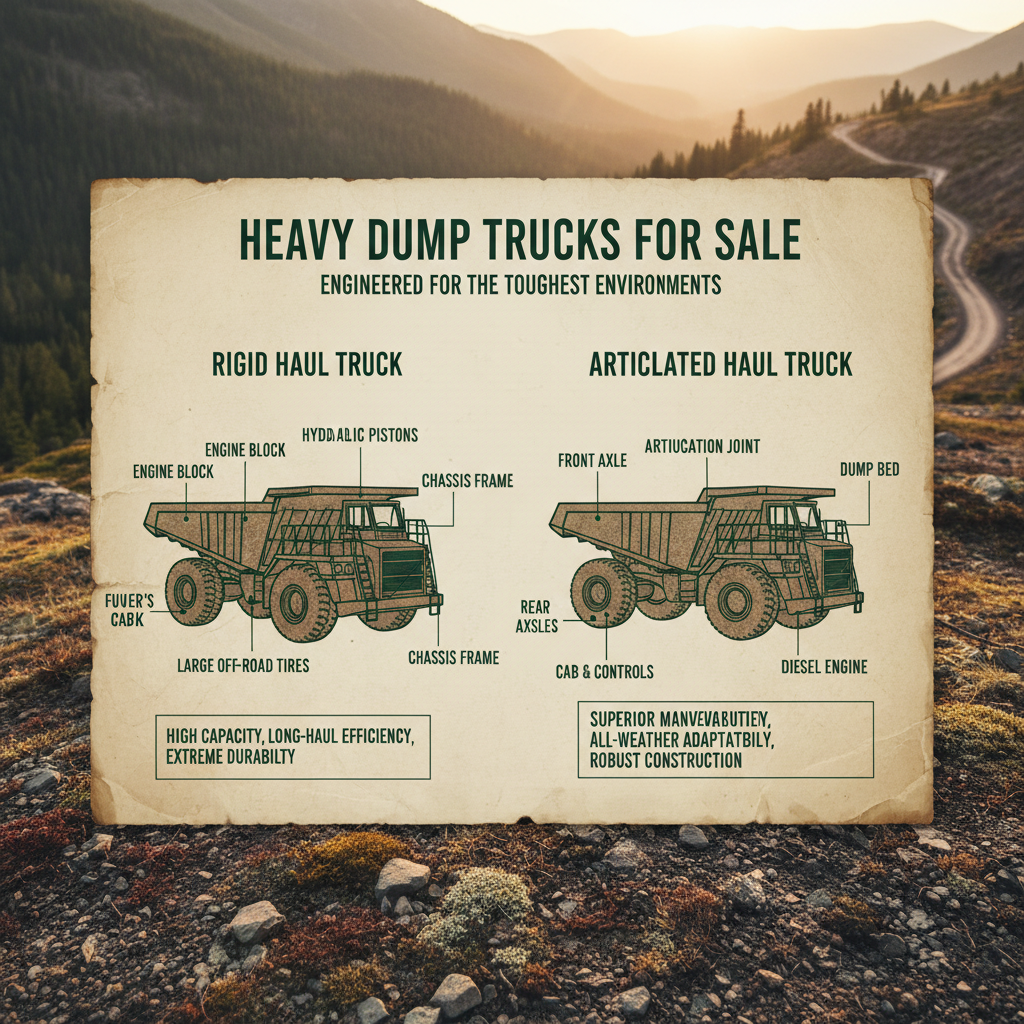
Key Factors When Evaluating Heavy Dump Trucks for Sale
Not all dump trucks are created equal. When browsing heavy dump trucks for sale, the first thing to analyze is the chassis strength and engine torque. For heavy-duty applications, a reinforced frame is non-negotiable to prevent warping under maximum loads. Additionally, the hydraulic system's efficiency determines how quickly you can cycle loads, which directly impacts your hourly productivity. Fuel efficiency has also become a primary concern, with modern Euro V and VI engines offering a better balance between raw power and environmental compliance. Choosing a truck with a proven track record of reliability reduces unplanned downtime and long-term maintenance expenses.
Pro Tip: Always check the Gross Vehicle Weight (GVW) against your local road regulations to ensure the truck is legally operable on your specific job sites.
Payload Capacity and Volume Optimization
The efficiency of your hauling operation depends on the volume and weight capacity of the truck bed. Depending on the material—whether it's lightweight topsoil or dense crushed granite—the configuration of the dump body varies. High-sided beds are ideal for lighter materials, while reinforced, lower-profile beds are designed for heavy minerals. When looking for heavy dump trucks for sale, consider the material of the bed; high-strength alloy steel is preferred for its wear resistance and longevity in abrasive environments.
Comparing Different Heavy Dump Trucks for Sale Models
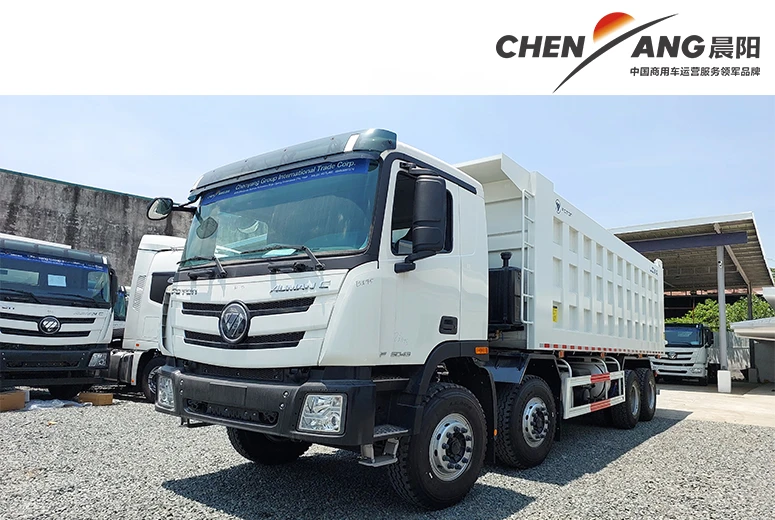
Depending on the terrain, you may need a 6x4, 8x4, or even a specialized off-road configuration. A 6x4 is versatile for road and mild off-road use, whereas an 8x4 provides superior stability and higher load capacities for extreme construction sites. Below is a detailed comparison to help you decide which configuration fits your operational needs when searching for heavy dump trucks for sale.
Operational Maintenance and Longevity
The true cost of owning a truck is not just the purchase price but the total cost of ownership (TCO). When searching for heavy dump trucks for sale, prioritize brands that offer readily available spare parts and a comprehensive service network. Regular lubrication of the hoist cylinder and checking the brake system are critical for safety. A well-maintained truck can last for decades, provided that the operator follows a strict preventive maintenance schedule. Investing in a truck with a modular design allows for faster repairs and less downtime, keeping your project on schedule.
Technical Specifications for Heavy Duty Hauling
To make an informed decision, you must look beyond the marketing brochures. Technical specifications tell the real story of performance. Key metrics include the engine displacement, maximum torque at low RPM (critical for starting loads on inclines), and the hydraulic lifting capacity. For those seeking heavy dump trucks for sale, the following specification table provides a benchmark for a high-performance heavy tipper:
Conclusion: Maximizing Your ROI with the Right Truck
Choosing from the various heavy dump trucks for sale requires a strategic approach. By focusing on chassis durability, payload optimization, and a rigorous maintenance plan, you can ensure your fleet remains productive for years to come. Whether you prioritize the agility of a 6x4 or the raw power of an 8x4, the goal is always the same: moving more material in less time with maximum safety. Partner with a trusted supplier to secure a machine that evolves with your business needs.
Frequently Asked Questions (FAQs)
How do I choose between a 6x4 and 8x4 dump truck?
The choice depends primarily on your load requirements and the environment. A 6x4 truck is generally more maneuverable and cost-effective for shorter hauls and urban construction sites. However, if you are operating in mining or heavy quarrying where you need to transport 30 tons or more per trip, the 8x4 is the superior choice. It offers better weight distribution, increased stability on uneven ground, and a higher overall payload capacity, which reduces the number of trips required to move the same volume of material.
What should I inspect when looking at heavy dump trucks for sale?
First, inspect the chassis for any signs of stress cracks or unauthorized welding. Second, check the hydraulic cylinder for leaks or scoring on the piston rod. Third, examine the dump bed for excessive wear or corrosion, especially at the corners. Finally, verify the engine's service history and check for abnormal smoke or noise during a test drive. If buying new, ensure the specifications match your local emissions laws and weight limits to avoid future legal hurdles.
How can I improve the lifespan of my heavy dump truck?
Longevity is achieved through a combination of operator training and preventive maintenance. Avoid overloading the truck beyond its rated capacity, as this puts immense strain on the axles and engine. Implement a strict schedule for oil changes, filter replacements, and grease application to all moving joints. Additionally, ensuring the truck is parked on level ground during tipping prevents chassis twisting. Using high-quality lubricants and genuine spare parts from your supplier will significantly extend the machine's operational life.
Are automated transmissions worth it for heavy dump trucks?
Automated Manual Transmissions (AMT) are becoming increasingly popular in the heavy-duty sector. They reduce operator fatigue, especially in stop-and-go site environments, and often lead to better fuel efficiency by ensuring the engine stays in the optimal power band. While traditional manuals offer more direct control for some experienced drivers, AMTs decrease the risk of clutch wear and driver error. For fleet owners, this typically results in lower maintenance costs and more consistent performance across different operators.
-
Best Day Cab Heavy Haul Trucks for Sale and Selection GuideNewsApr.09,2026
-
Find The Best Deals on 2500 Heavy Duty Trucks for Sale TodayNewsApr.07,2026
-
Exploring the Dynamic Landscape of New Electric Car Companies and InnovationNewsApr.04,2026
-
Understanding Car On Road Price A Comprehensive Buyers GuideNewsMar.31,2026
-
Comprehensive Guide to Understanding the City Car Price and Market TrendsNewsMar.28,2026