The global logistics landscape is undergoing a seismic shift. For fleet managers and commercial operators, the challenge is no longer just about moving cargo; it is about navigating the complex transition to zero-emission and low-carbon transport without compromising operational efficiency. Concerns regarding range anxiety, charging infrastructure availability, and payload capacity often hesitate the decision-making process. However, the cost of inaction is rising as regulatory pressures mount and green supply chains becomes a competitive necessity.
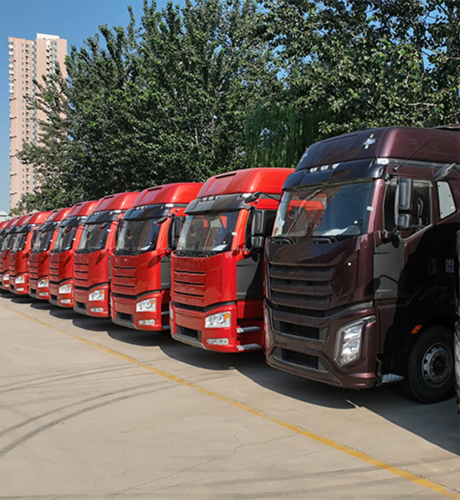
Chenyang Group serves as the bridge between traditional logistics requirements and future-ready propulsion technologies. With a heritage dating back to 1999 and an annual sales volume exceeding 20,000 units, we understand that adopting new energy vehicles is a strategic investment, not just a purchase. By leveraging partnerships with industry giants like SHACMAN, SINOTRUK, FAW, and FOTON, we curate a portfolio that specifically addresses the durability and performance needs of modern heavy transport.
As a leader in commercial vehicle operation services with over 5 billion RMB in annual turnover, we do not merely supply vehicles; we provide a validated ecosystem. Whether your route demands the torque of a SINOTRUK HOWO Electric Tractor or the specialized utility of a FOTON new energy cargo truck, our 26 years of experience ensures you receive a solution optimized for Total Cost of Ownership (TCO) and operational uptime.
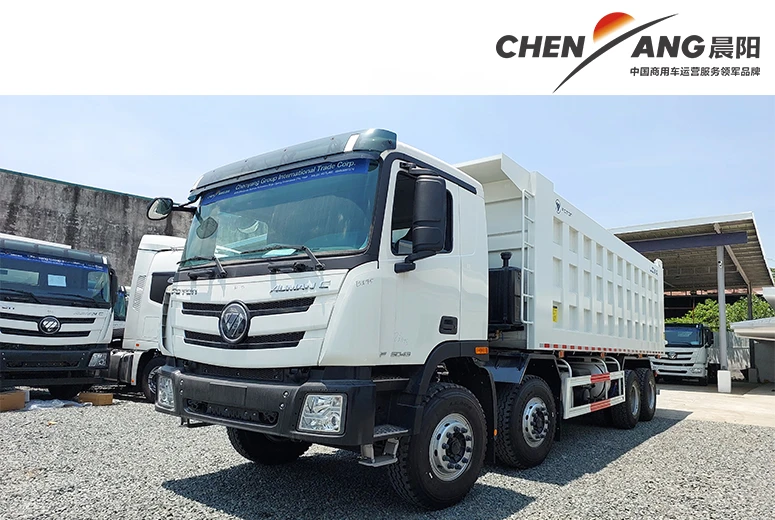
In the realm of alternative fuel heavy transport, technical specifications translate directly to profitability. The engineering required to propel a fully loaded 8x4 dump truck or a long-haul tractor differs vastly from light-duty applications. We rigorously benchmark the vehicles in our inventory—including the latest ID. series and heavy-duty EV models—against strict performance criteria to ensure they meet the demands of rugged commercial environments across the 34 countries we serve.
Our selection process prioritizes high-density energy storage, thermal management efficiency, and chassis integration. By cooperating with top-tier manufacturers who utilize advanced battery systems (like CATL and BYD technologies) and robust drivetrains, we ensure that the transition to green energy does not result in a loss of hauling power.
| Performance Metric | Industry Significance | Our Engineering Standard | Operational Advantage |
|---|---|---|---|
| Powertrain Efficiency | Determines energy consumption per kilometer. | Integration of high-torque electric motors with intelligent BMS (Battery Management Systems). | Significantly reduced energy costs compared to diesel, maximizing range for long-haul routes. |
| Chassis Durability | Critical for heavy loads (e.g., 6x4 and 8x4 configurations). | High-strength alloy steel frames verified for heavy-duty cycles (e.g., SINOTRUK HOWO standards). | Maintains structural integrity under full load while accommodating battery/tank weight. |
| Thermal Management | Prevents power loss in extreme climates. | Liquid-cooling systems tested for environments from Russia to the UAE. | Consistent performance and battery longevity in temperature extremes (-30°C to +50°C). |
| Charging/Refueling capability | Minimizes downtime. | Support for high-power DC fast charging and standardized fueling interfaces. | Rapid turnaround times enabling near-continuous operation for multi-shift logistics. |
Long-term profitability in the logistics sector relies on visualizing the lifecycle costs of the fleet. While the initial acquisition cost of new energy heavy trucks can be higher than traditional diesel counterparts, the Return on Investment (ROI) is realized through drastically lower operating expenses (OpEx) and maintenance reductions. With fewer moving parts in electric drivetrains and the lower cost of electricity or gas compared to diesel, the break-even point is achieved rapidly.
Chenyang Group's global footprint, exporting to regions as diverse as Dubai, Russia, and the Philippines, allows us to analyze data across various terrains and economic conditions. This insight confirms that integrating these advanced vehicles serves as a hedge against volatile fuel prices. Furthermore, incentives such as purchase tax exemptions (where applicable) and lower maintenance downtime contribute to a superior asset yield over the vehicle's 5-to-10-year lifecycle.
Related products
Top Selling Products