For fleet operators and commercial vehicle maintenance managers, the integrity of the air-fuel supply system is non-negotiable. A compromise in the engine injector / intake manifold / throttle system can lead to catastrophic downtime, skyrocketing fuel consumption, and diminished engine lifespan. We understand that sourcing these critical components is not just about purchasing a part; it is about restoring the heartbeat of your heavy-duty machinery. Whether you are managing a logistics fleet in the United Arab Emirates or a construction project in Tanzania, the challenge remains the same: finding genuine, high-precision components that match the rigorous specifications of OEM giants like SHACMAN, SINOTRUK, and FAW.
Chenyang Group serves as your strategic partner in overcoming these supply chain hurdles. With a history established in 1999 and over 26 years of development experience, we have cultivated a robust inventory network that bridges the gap between factory-floor precision and end-user requirements. Our annual turnover exceeding 5 billion RMB and cooperation with 34 countries demonstrate our capacity to deliver specific engine components reliably. By leveraging our deep ties with major manufacturers including DONGFENG and FOTON, we ensure that every replacement part maintains the original vehicle's performance standards, effectively eliminating the risks associated with aftermarket incompatibility.
The performance of commercial vehicles relies heavily on the synchronization of the intake and combustion systems. When selecting an engine injector / intake manifold / throttle, technical precision determines the operational efficiency of the truck. Our supply chain prioritizes components that adhere to stringent OEM tolerances, ensuring that air intake volume and fuel atomization occur exactly as the engine designers intended.
Below is a breakdown of the performance standards we uphold for these critical engine systems, ensuring compatibility with platforms like the SINOTRUK HOWO and FAW heavy-duty series.
| Performance Metric | Industry Significance | Our Engineering Standard | Operational Advantage |
|---|---|---|---|
| Injection Atomization | Determines combustion efficiency and emissions. | OEM-Grade Micron Precision (Bosch/Cummins Standards) | Maximizes fuel economy and prevents cylinder washing. |
| Manifold Airflow Geometry | Ensures equal air distribution to all cylinders. | Flow-Tested High-Thermal Polymer/Alloy | Consistent engine power output and reduced thermal stress. |
| Throttle Response Latency | Critical for driver control and load management. | Digital Actuation with <10ms Lag | Smoother acceleration under heavy loads (e.g., 8*4 Dump Trucks). |
| Seal Integrity | Prevents vacuum leaks and contaminant entry. | High-Temp Fluoroelastomer Gaskets | Long-term durability in extreme climates (Dubai heat to Russia cold). |
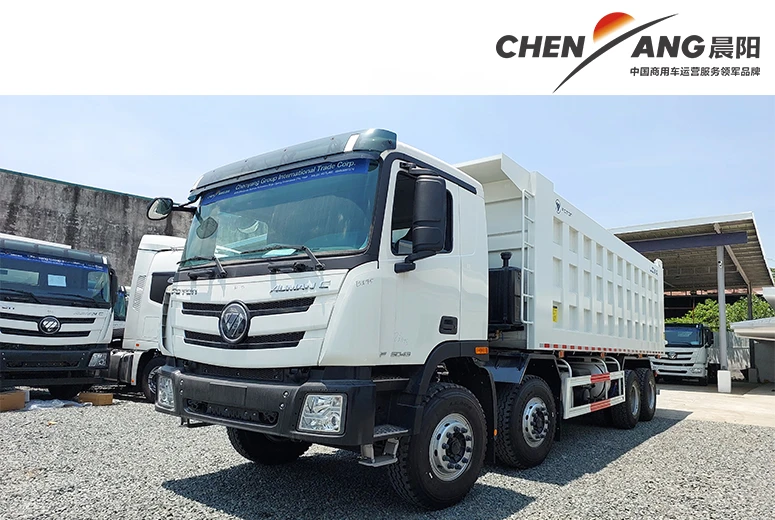
By focusing on these metrics, we ensure that every component contributes to the holistic health of the vehicle. Whether for a DONGFENG Mixer Pump Truck or a FOTON Cargo Truck, adherence to these engineering standards is what separates a temporary fix from a long-term solution.
Investing in high-quality engine management components is a strategic financial decision. The lifecycle cost of a commercial vehicle is significantly impacted by the efficiency of the engine injector / intake manifold / throttle assembly. Subpar components may offer lower upfront costs but invariably lead to increased fuel consumption—often the largest operating expense for logistics companies—and frequent maintenance intervals.
As a leader in commercial vehicle operation services with an annual sales volume exceeding 20,000 units, Chenyang Group advocates for "Value Engineering." This approach focuses on the Total Cost of Ownership (TCO). By utilizing genuine parts sourced through our verified network, operators can extend engine overhaul intervals and maintain resale value. Our global export infrastructure ensures that whether you are in Southeast Asia or Africa, the correct parts are available to minimize costly asset downtime. The chart below illustrates the comparative fuel efficiency retention over time when utilizing OEM-standard intake and fueling components versus generic alternatives.
Related products
Top Selling Products