For fleet managers and independent operators, the challenge isn't just buying a vehicle; it is precisely matching capacity to demand. Misunderstanding the nuance and difference between light duty and heavy duty trucks can lead to inflated operational costs—either through underutilized assets or excessive wear on equipment not built for the task. Whether you are navigating urban logistics or managing cross-border heavy transport, the distinction lies in the engineering intent and the total cost of ownership.
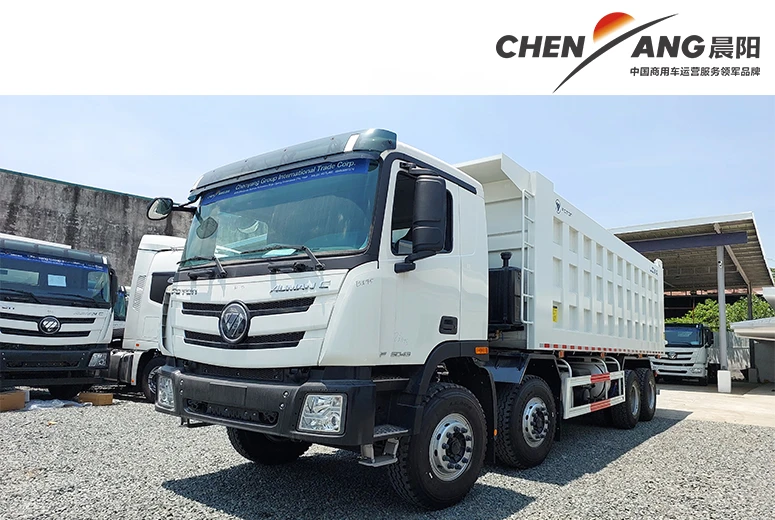
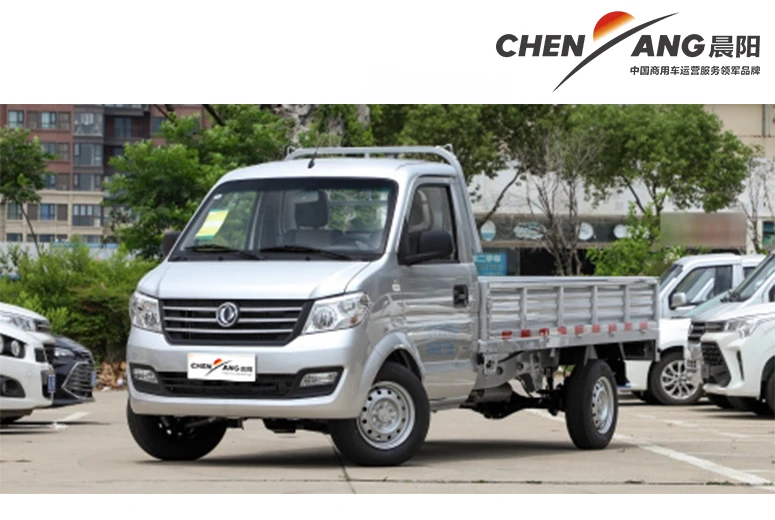
Since 1999, we have guided clients through this complex decision-making process. With over 26 years of development experience and an annual sales volume exceeding 20,000 units, Chenyang Group understands that a "one-size-fits-all" approach fails in the commercial sector. From agile Foton Aumark models optimized for city streets to robust Sinotruk HOWO 8x4 dump trucks designed for mining, our portfolio covers the full spectrum.
To accurately assess the difference between light duty and heavy duty trucks, one must look beyond simple aesthetics and examine the chassis architecture, powertrain capabilities, and intended duty cycles. Light-duty vehicles prioritize maneuverability and fuel efficiency for short-haul tasks, whereas heavy-duty units focus on torque, payload capacity, and durability under extreme stress.
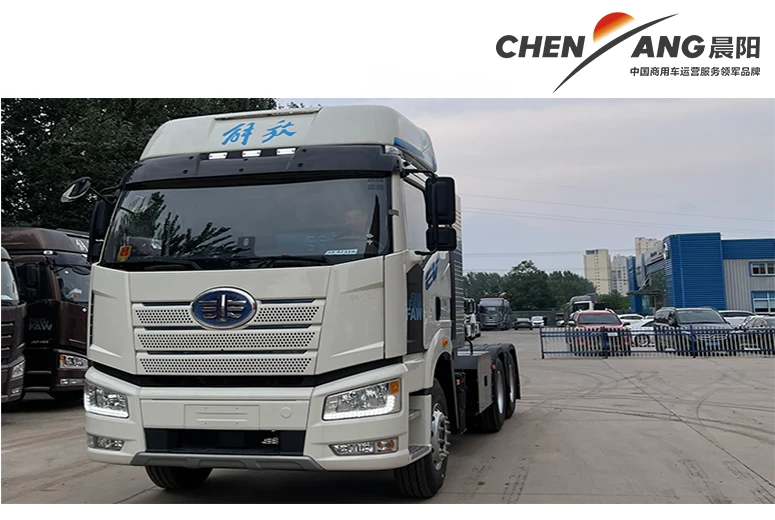
Our inventory utilizes strict selection criteria to ensure that whether you are selecting a Foton (Light/Medium) or a Shacman (Heavy), the vehicle meets rigorous performance standards. Below is a breakdown of how we classify and benchmark these categories within our extensive product lines.
| Performance Metric | Industry Significance | Our Engineering Standard (Chenyang Portfolio) | Operational Advantage |
|---|---|---|---|
| Gross Vehicle Weight Rating (GVWR) | Determines legal class and licensing requirements. | Light: Classes 2-3 (e.g., Foton Aumark) Heavy: Classes 7-8 (e.g., Sinotruk HOWO, Shacman) |
Ensures compliance with local road regulations and avoids overloading fines. |
| Powertrain & Torque | Dictates towing ability and gradeability. | Light: Optimized for high MPG/Urban cycles. Heavy: High-displacement diesel or EV specifically for high-torque loads. |
Maximizes fuel economy for the specific route type (City vs. Long-haul). |
| Chassis Durability | Lifespan of the vehicle under load. | Light: Unibody or light frame for agility. Heavy: Reinforced steel rails (e.g., 8x4 configurations). |
Prevents premature structural failure in rough terrains like mining or construction sites. |
| Application Suitability | Intended commercial use case. | Light: Last-mile delivery, urban logistics. Heavy: Global vehicle exporting, cross-border transport. |
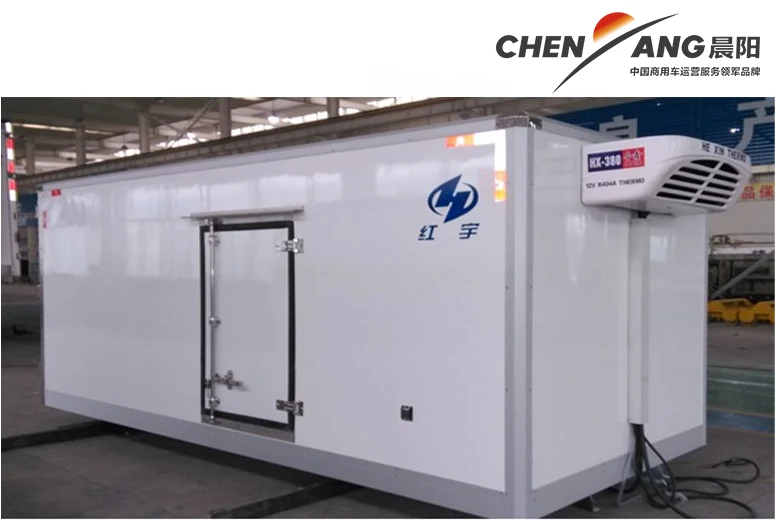
Chenyang Guarantee: Matches the exact vehicle to your business model (e.g., refrigerator trailers vs. dump trucks). |
True value engineering occurs when capital expenditure aligns perfectly with operational reality. Recognizing the difference between light duty and heavy duty trucks is the key to unlocking maximum Return on Investment (ROI). Utilizing a heavy-duty truck for light cargo results in wasted fuel and higher maintenance costs, while pushing a light-duty truck beyond its limits leads to catastrophic downtime and safety risks.
At Chenyang Group, our goal is to be "the most trusted friend of customers." By analyzing your specific routes—whether in the United Arab Emirates, Russia, or the Philippines—we recommend vehicles that offer the lowest cost per kilometer. With our massive inventory of used vehicles and new energy options (like the FAW-VOLKSWAGEN ID. series), we provide flexible entry points to optimize your fleet's profitability.
*Figure 1: Comparative Analysis of Operational Cost Efficiency based on Load Matching.*
Related products
Top Selling Products