For fleet operators and multinational businesses, the financial rigidity of depreciation limits for passenger vehicles often represents a significant hurdle in asset management. The inability to fully write off high-value assets quickly can stifle cash flow and reduce the overall return on investment for corporate fleets. The challenge lies not just in tax compliance, but in selecting a vehicle mix that maximizes operational utility while mitigating the financial caps imposed on standard passenger transport.
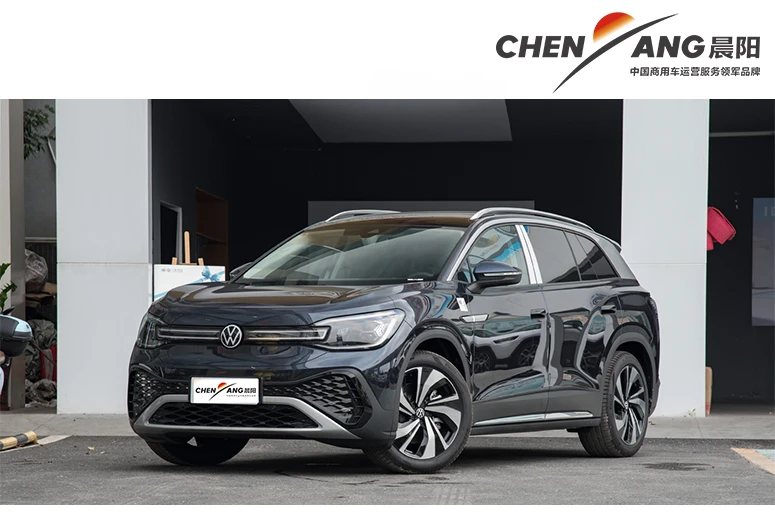
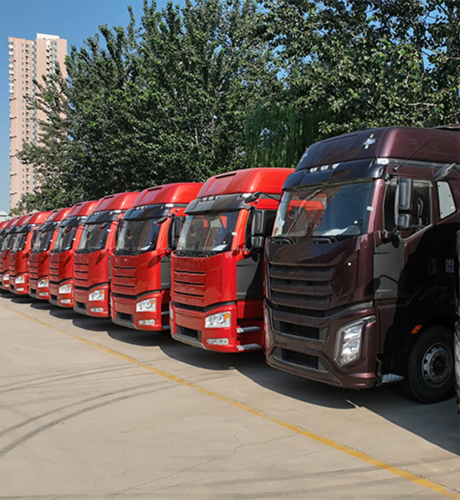
Chenyang Group Solution: With over 26 years of development experience and an annual gross turnover exceeding 5 billion RMB, we understand that the best way to manage depreciation concerns is through strategic fleet composition. By offering a diverse portfolio—ranging from FAW-VOLKSWAGEN new energy ID. series to heavy-duty SINOTRUK commercial models—we help clients optimize their asset classes.
Founded in 1999, Chenyang Group has evolved into China's leading brand in commercial vehicle operation services. Our approach goes beyond simple vehicle sales; we act as a strategic partner. We leverage our annual sales volume of over 20,000 units to provide fleets that maintain high residual values. Whether you are looking at exemptions available to specific new energy vehicles or shifting fleet composition toward commercial classifications that may bypass standard depreciation limits for passenger vehicles, our expertise ensures your procurement strategy is financially sound.
To effectively manage the impact of depreciation limits for passenger vehicles, the technical specification of the asset is paramount. Tax codes and depreciation schedules often treat heavy commercial vehicles and zero-emission vehicles differently than standard light-duty sedans. At Chenyang Group, we benchmark our inventory against strict utility and weight class standards to offer alternatives that provide superior financial advantages.
Our partnership with top-tier manufacturers like SHACMAN, FOTON, and BYD allows us to supply vehicles that not only meet robust operational demands but also align with favorable asset categorization strategies. Below is our technical breakdown of how our specific vehicle categories compare against standard limitations.
| Performance Metric | Industry Significance | Our Engineering Standard | Advantage Regarding Limits |
|---|---|---|---|
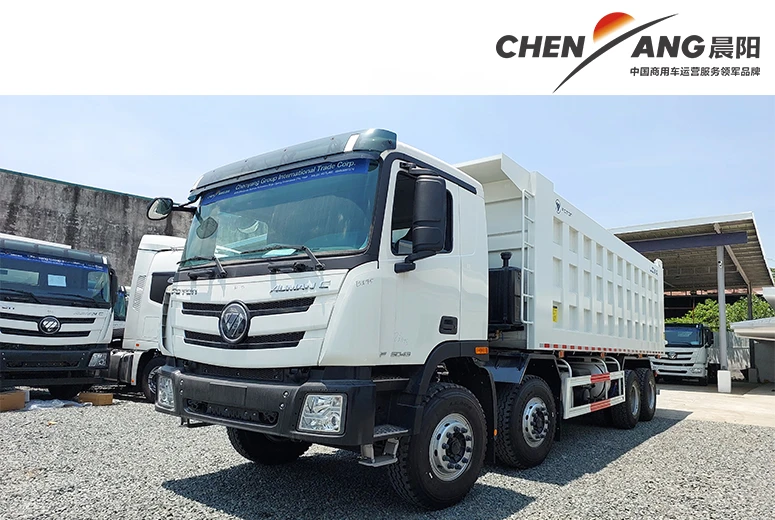
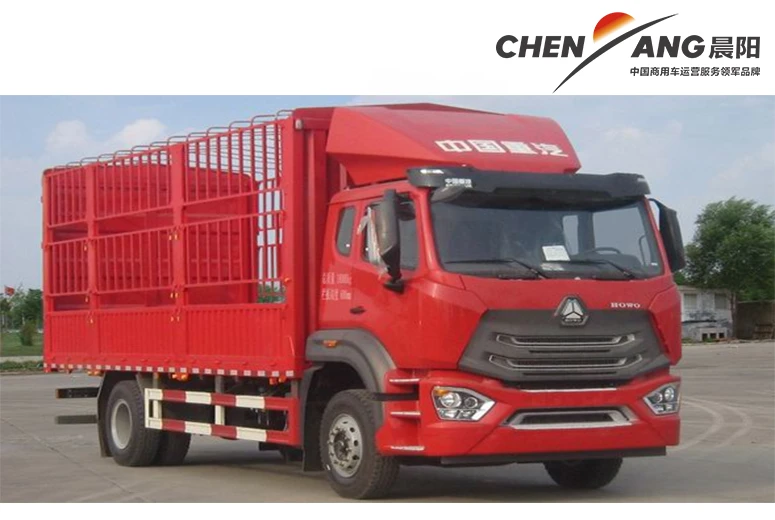
| Gross Vehicle Weight Rating (GVWR) | Determines "Passenger" vs. "Commercial" classification. | Supply of Heavy Duty (e.g., SINOTRUK HOWO 8*4) & Construction Machinery (XGMA Loaders). | Vehicles exceeding specific weight thresholds often bypass standard depreciation limits for passenger vehicles, allowing faster write-offs. |
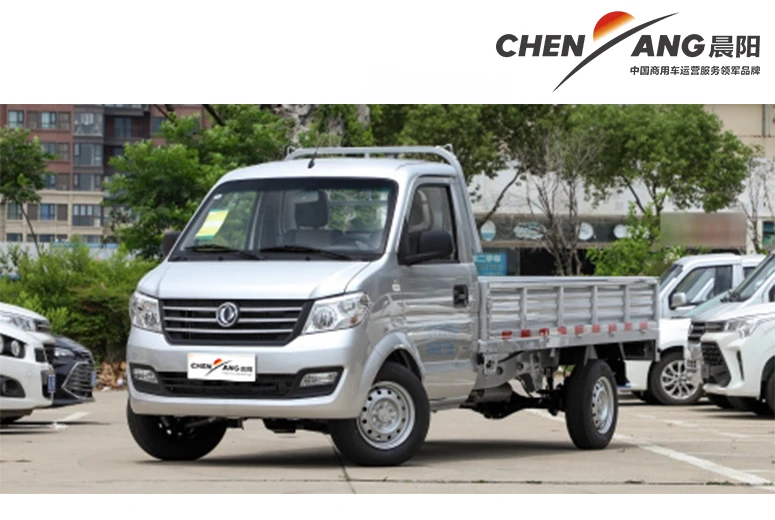
| Propulsion Technology | Impacts eligibility for clean energy tax credits/exemptions. | Integration of FAW-VW ID. Series & Electric Logistics Vehicles. | EVs offer tax incentives (e.g., Purchase Tax Exemption) that directly offset the caps of depreciation limits for passenger vehicles. |
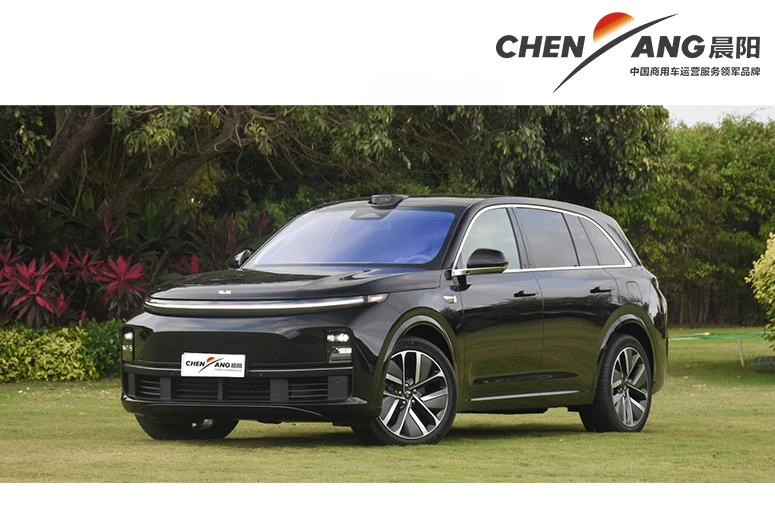
| Operational Durability | Affects actual asset depreciation vs. book depreciation. | Rigorous selection of Tier-1 brands (Hongqi, Geely, Li Auto). | High residual value retention ensures the asset sells above book value, mitigating "paper losses" from strict limits. |
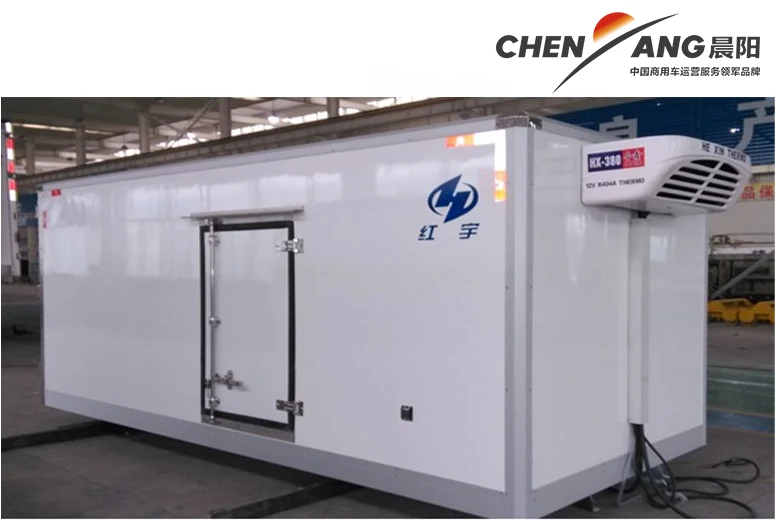
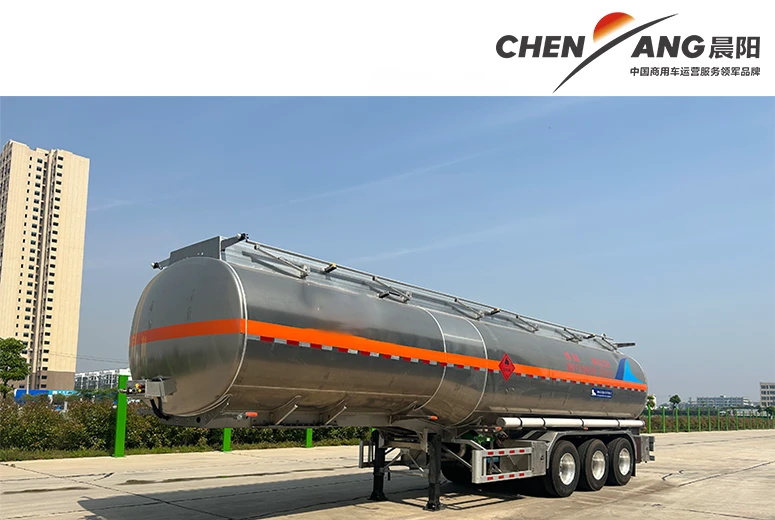
| Specialized Functionality | Defines "Qualified Non-Personal Use" vehicles. | Availability of modified units: 40ft Multifunctional Skeleton Trailers & Mixer Pump Trucks. | Specialized equipment is generally exempt from strict depreciation limits for passenger vehicles compared to luxury sedans. |
By shifting procurement towards our robust selection of specialized machinery and heavy transport, businesses can legally and effectively navigate the constraints usually applied to lighter vehicles.
True value engineering requires looking beyond the initial purchase price and considering the total lifecycle cost, heavily influenced by depreciation limits for passenger vehicles. Chenyang Group’s global layout, cooperating with 34 countries including the UAE, Russia, and Belgium, provides a unique secondary market advantage. A vehicle subject to strict depreciation caps in one domestic market may hold significant value in our extensive global export network.
We empower our clients to maximize ROI by leveraging our "Transformers logistics" and the Chenyang truck exchange platform. This ecosystem allows for the efficient rotation of assets before depreciation limits severely impact the balance sheet. By investing in our high-quality inventory—supported by our 1,000+ outstanding employees—businesses secure assets that retain real-world market value, regardless of accounting limits.
As illustrated above, a fleet strategy that incorporates Chenyang's commercial and new energy options retains significantly higher value over five years compared to a standard fleet restricted by traditional depreciation limits for passenger vehicles. Our upcoming "Qiya International Center" project in Sichuan Tianfu New Area further symbolizes our commitment to long-term growth and stability, ensuring we remain a partner capable of supporting your financial goals for decades to come.
Related products
Top Selling Products