For fleet managers and vehicle owners, the decision regarding engine lubrication is often the first line of defense against premature wear and costly downtime. We understand that navigating the technical differences between lubricants can be overwhelming, especially when balancing operational costs against long-term asset protection. The debate of conventional car oil vs synthetic is not just about price; it is about aligning maintenance strategies with the operational demands of your specific machinery.
With over 26 years of development experience and an annual sales volume exceeding 20,000 units, our organization has witnessed firsthand how lubrication choices impact vehicle longevity. Whether operating heavy-duty trucks like SINOTRUK and SHACMAN or maintaining passenger fleets including FAW-VOLKSWAGEN models, the right oil creates the foundation for reliability. As "the most trusted friend of customers," Chenyang Group leverages its massive after-sales service network and global export insights across 34 countries to guide you toward the optimal solution, ensuring your vehicles remain operational and efficient.
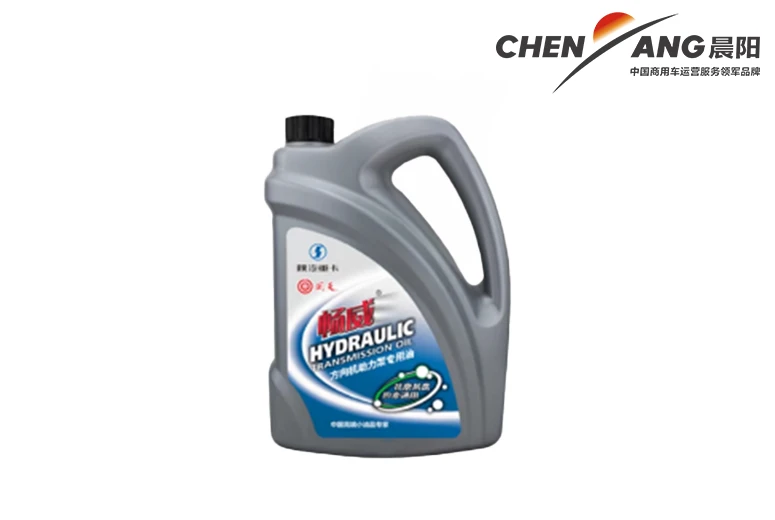
From a technical perspective, the molecular structure of the lubricant dictates its performance under stress. While conventional oils are refined from crude oil, synthetic variants are chemically engineered to create uniform molecules with fewer impurities. In our comprehensive auto supplies division—which creates solutions ranging from truck hydraulic transmission oil to advanced coolants—we evaluate conventional car oil vs synthetic based on their ability to withstand the rigorous environments of construction machinery and commercial transport.
| Performance Metric | Industry Significance | Our Engineering Standard | Advantage in Application |
|---|---|---|---|
| Viscosity Index | Stability across temperature ranges. | High-stability requirement for global exports (e.g., Russia to Dubai). | Synthetics offer superior cold-start protection and high-heat shear resistance. |
| Oxidation Resistance | Prevents sludge formation. | Extended service life protocols for logistics fleets. | Synthetics resist breakdown longer, crucial for long-haul routes. |
| Molecular Uniformity | Reduces internal friction. | Precision matching for sophisticated engines (FAW-VW, Li Auto). | Synthetics provide smoother operation compared to the irregular molecules of conventional oil. |
| Additive Solubility | Effectiveness of detergents/anti-wear agents. | Compatibility with our premium auto supply range. | Synthetics suspend additives better, keeping engines cleaner. |
Optimizing return on investment requires looking beyond the initial purchase price of a quart of oil. When analyzing conventional car oil vs synthetic, the strategic value lies in the Total Cost of Ownership (TCO). While conventional oil is initially cheaper, it typically requires more frequent changes and offers less protection against engine wear, potentially leading to earlier overhaul requirements for assets like the FOTON AUMARK or HOWO Electric Tractors.
Backed by an annual gross turnover exceeding 5 billion RMB and a philosophy of "continuous innovation," we advocate for value engineering. Utilizing synthetic lubricants often extends drain intervals and improves fuel economy by reducing engine drag. For a logistics company utilizing our Transformers logistics services or managing a fleet acquired through our exchange platform, switching to high-performance synthetics can result in significant operational savings and reduced downtime over the lifecycle of the vehicle.
Related products
Top Selling Products