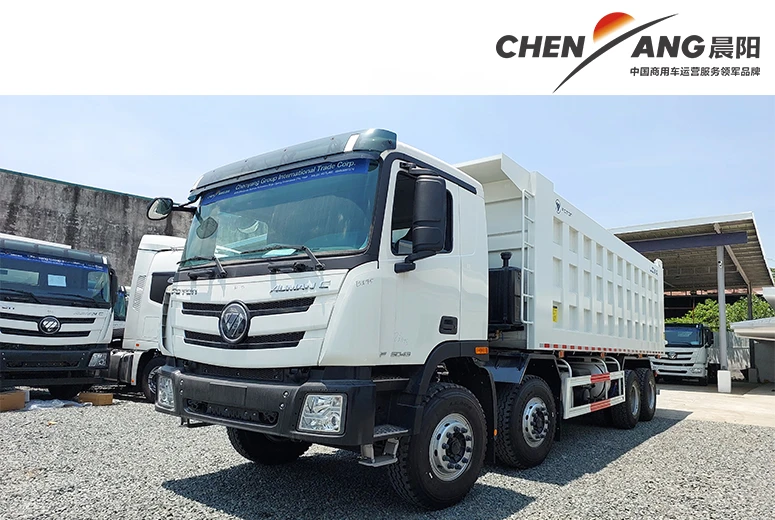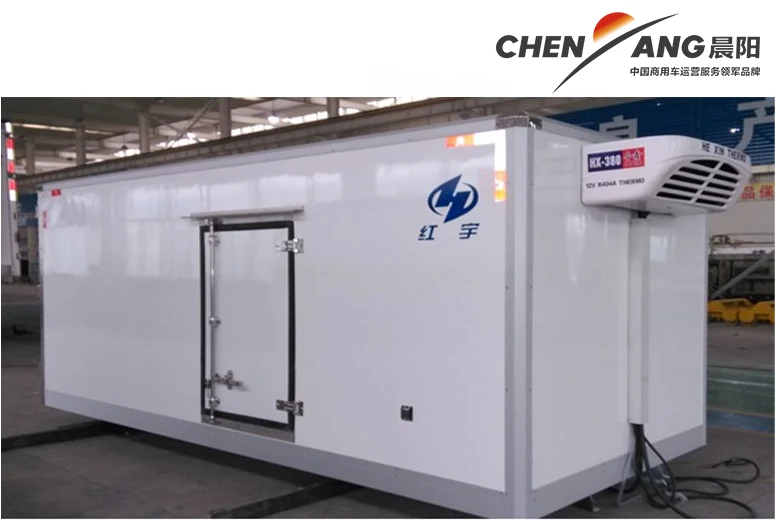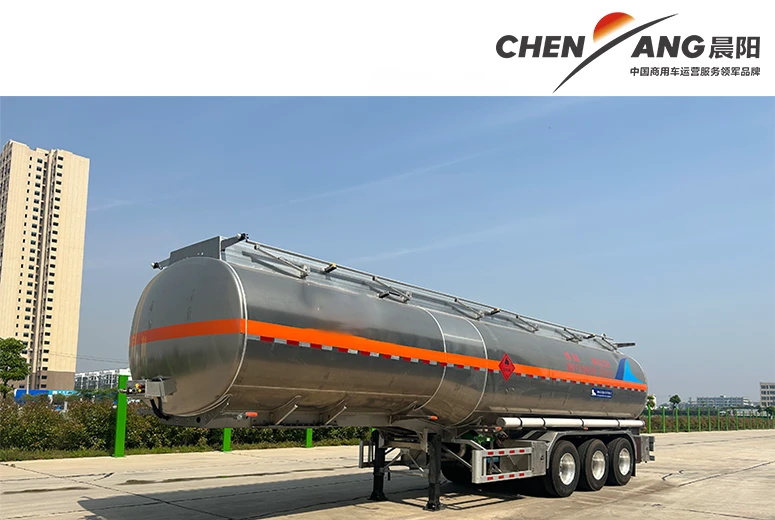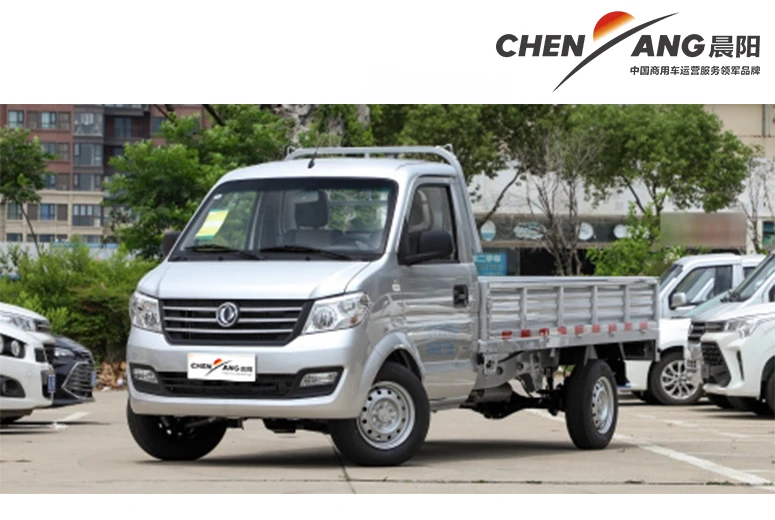
In the rapidly evolving landscape of commercial transport and heavy machinery, selecting the correct power plant configuration is critical. Fleet managers and operators often face a dilemma when evaluating the legacy reliability of older systems against modern efficiency, essentially debating the carburetor engine vs combustion engine (specifically modern fuel-injected variants) paradigm. While carbureted systems offer simplicity for specific small agricultural applications, the modern logistics industry demands the precision and power management found in advanced internal combustion engines.
Understanding this technological shift is where we excel. With over 26 years of development experience and an annual sales volume exceeding 20,000 units, Chenyang Group bridges the gap between traditional mechanical reliability and cutting-edge automotive engineering. Whether you are sourcing heavy-duty SHACMAN trucks or specialized agricultural machinery, our team ensures your investment aligns with the correct technical standard. As a partner exporting to 34 countries, we guide our clients past the technical jargon to solutions that ensure operational longevity and fuel economy.
When strictly analyzing the performance metrics of a carburetor engine vs combustion engine utilizing modern Direct Injection or Common Rail technology, the engineering divergence is significant. For commercial vehicles from top-tier manufacturers like SINOTRUK and FOTON, the shift to advanced combustion control is non-negotiable for meeting global emission standards and maximizing torque.
Below is a technical breakdown of how the vehicles and machinery in our inventory—ranging from wheel loaders to prime movers—perform when benchmarked against these distinct engine technologies.
| Performance Metric | Industry Significance | Our Engineering Standard (Modern Inventory) | Operational Advantage |
|---|---|---|---|
| Fuel Atomization & Delivery | Determines combustion efficiency and fuel waste. | High-Pressure Common Rail (SINOTRUK/FAW Models) | Precise ECU control outperforms carburetor gravity/vacuum feed, reducing fuel consumption by up to 15%. |
| Cold Start Capability | Critical for operations in Russia, Kazakhstan, and Mongolia. | Electronic Injection with Pre-heating Systems | Eliminates the "choke" issues of carburetors; ensures immediate ignition in sub-zero climates. |
| Torque Management | Essential for towing heavy loads (Trailers/Dump Trucks). | Variable Geometry Turbocharging (VGT) | Provides consistent power bands superior to the linear limitations of carbureted engines. |
| Maintenance Lifecycle | Impacts downtime and parts availability. | OBD Diagnostic Integration | Digital diagnostics replace manual carburetor tuning, streamlining service for our global client base. |
Our inventory, including the robust XGMA construction machinery and high-end FAW-VOLKSWAGEN units, prioritizes systems that leverage modern combustion efficiency, ensuring our clients receive equipment that meets contemporary 5A super first-class building and operation standards.
The decision-making process regarding engine technology is not just about mechanics; it is a financial strategy. Analyzing the carburetor engine vs combustion engine lifecycle reveals that while older carburetor models may have a lower initial acquisition cost in the second-hand market, modern combustion engines deliver superior Return on Investment (ROI) through operational efficiency. With an annual gross turnover exceeding 5 billion RMB, Chenyang Group understands that profitability is driven by reducing Total Cost of Ownership (TCO).
By selecting our verified vehicles—equipped with advanced powertrain fluids and optimized engine technologies—customers avoid the hidden costs of frequent tuning and fuel inefficiency associated with outdated tech. This strategic selection is vital for our partners across the UAE, Africa, and Southeast Asia, where fuel costs directly impact logistics margins.
Related products
Top Selling Products